Menu ☰
Liverpool Pals header
Search Pals

Search
Capt Arthur de Bells Adam (MC)
1885 - 1916


CPL David Wallace Crawford
1887 - 1916


Lce-Corpl John Joseph Nickle
1894 - 1916


Pte 17911 Morton Neill
1897 - 1916


Lieut Edward Stanley Ashcroft
1883 - 1918
Lieut Edward Stanley Ashcroft

Liverpool Pals Who Died on This Day
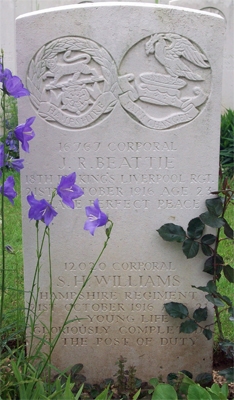
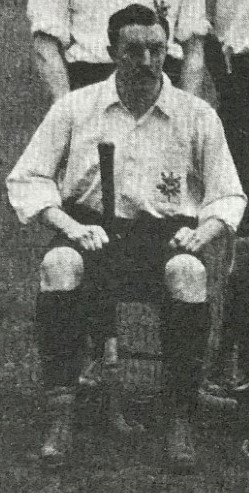
Pte 26097 Charles Henry Arkinstall
Charles Henry Arkinstall
From: Liverpool
K.I.A (110 Years this day)
Tuesday 27th June 1916.
18 years old

Charles Henry Arkinstall was born on 07th July 1897 in Liverpool and was baptised on 22nd August 1897 in St Andrew's Church, Toxteth Park, Liverpool. Charles was the fourth of five children born to Charles Arkinstall, a railway signalman born in Shropshire, and his wife Alice Emily (nee Wilkes). They married in 1889 and in the 1891 Census are shown living at 14 Tramway Road, Aigburth, Liverpool.

The family are still living at 14 Tramway Road in 1901 when the Census was taken. Charles H. as he was recorded is three years of age and lives with his parents and four siblings. His father is a 35 year old railway signalman born in Haldey, Shropshire, whilst his mother is 32 years of age and was born in High Hatton also in Shropshire. His siblings, all born in Liverpool, are recorded as;  Alice E. aged 10, Frances E. aged 8, Arthur C. aged 7 and Joseph W. aged 2.   

The 1911 Census shows the family living at 9 Burdett Street, Liverpool. Both parents are resident at the property and advised that they had been married for 21 years and had five children. Three of their children are still living at home; Frances Ellen, an 18 year old pupil teacher; Charles Henry, aged 13 years; and Joseph William aged 12 years. Arthur Clifford, a 17 year old telegraph learner, is visiting his grandparents at Yew Tree Cottage, Childs Ercall, Market Drayton.

Charles Henry (Hal) was educated at Liverpool Institute. Prior to the outbreak of the war he was employed at Parrs Bank, Castle St, Liverpool.

Charles Henry enlisted in April 1915 and served in France from 29th December 1915. He transferred from 30 Infantry Base Depot on 30th December 1915 and was attached to 2nd Entrenching Battalion  on 07th January 1916 and joined the 17th Battalion (B Company), King's Liverpool Regiment on the 19th February 1916 as Private 26097.

The British bombardment of the German lines, in preparation for the ‘Big Push’, began on 24th June 1916. On the 26th the German counter-barrage begins and inflicts quite serious losses on the 17th and 20th battalions.

The 17th Bn War Diary for 26th/27th June shows “heavy enemy bombardment of front line trenches.  Casualties: Killed O.R. 17, Wounded O.R. 57”

Hal was  one of those referred to in the diary who was killed in action on 27th June 1916, aged 18.

He was buried close to where he fell in Maricourt Military Cemetery and his grave marked with a cross.  The cemetery was at the south-east corner of the village, on the road to Clery. It was begun by French troops in December, 1914, and was known to the French by the name of Ferme Caudron. It was taken over by British troops in August, 1915, and used until July 1916.  After the war when graves were concentrated his body was removed and reinterred in Cerisy-Gailly Cemetery where he now rests.

His death was reported in the Liverpool Echo dated 11th July 1916:

ARKINSTALL-- June 27, killed in action aged 21 years, Charles Henry (Hal) (Liverpool "Pals") the dearly-loved second son of Charles and Alice Arkinstall, 9, Burdett, street. 

Charles’ death was reported in the Liverpool Echo dated 21st July 1916:

ANOTHER INSTITUTE OLD BOY

Mr and Mrs Arkinstall of 9 Burdett Street, Aigburth have received notice of the death of their son Private Charles Henry Arkinstall age eighteen of the “Pals” who was killed in France.  He enlisted in April 1915 and went to the front in December.  He was educated at the Liverpool Institute and was employed at Parrs Bank, Castle Street. 

Soldiers Effects to father Charles, Pension to mother Alice Emily

Charles Henry is also commemorated on the following Memorials:

Hall of Remembrance inside Liverpool Town Hall at Panel 16 Right

Liverpool Institute now situated within the grounds of the Liverpool Institute for Performing Arts,

Nat West Bank in Liverpool City Centre 

St Michael in the Hamlet Church of England Church and School memorials.

His brother, Arthur Clifford, enlisted as Private 2372 in the 10th (Liverpool Scottish) Battalion (TF) on 18th December 1911, giving his age as 17 years 9 months, his occupation as telegraphist with the Post Office, and his home address as 9 Burdett Street. He was embodied on 5th August 1914 and was appointed Acting Lance Corporal (01.11.1914) and Acting Corporal (02.02.1915) but on 15th May 1915 was discharged as being no longer fit for service.

His father died in the March quarter of 1945 aged 79.

His mother died in the December quarter of 1956 aged 87.

We currently have no further information on Charles Henry Arkinstall, If you have or know someone who may be able to add to the history of this soldier, please contact us.
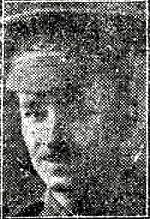

Pte 29749 Joseph Colligan
Joseph  Colligan
From: Liverpool
K.I.A (110 Years this day)
Tuesday 27th June 1916.
21 years old

Joseph was born in Liverpool on 12th February 1895 and baptised the following week on 19th February 1895 at St Patrick’s R.C. Church, Liverpool. He was the only son of Henry Colligan and his wife Catherine (nee Wallace) who married in Liverpool in 1888, also at St Patrick’s R.C. Church.

In 1891 Catherine, a 25 year old married woman, is living with her parents, both born in County Mayo, Ireland, at 45 Gelling Street, Toxteth.  As early as 1863, when their first child was born, Catherine’s parents had settled in Toxteth.

The 1901 Census finds the family are living at 5 Tillotson Terrace, Liverpool but are incorrectly recorded under the surname Corrigan. His father, Henry, is a 36 year old engine driver born in Liverpool, whilst his mother is 34 years old and also born in Liverpool. They have three with children living with them; Henry aged 9, Catherine aged 7 and Joseph aged 6.

His father, Henry, was a ship’s steward and died in 1901 in Liverpool.

Joseph and his sister Catherine are recorded as being in the Sefton General Hospital (Toxteth Park Workhouse) as part of the Liverpool Workhouse. Their record is shown as Dest. which would indicate destitute and their address is given as 45 Gelling Street. 

In 1911 they were living at 45 Gelling Street with Catherine still recorded as married with children Joseph aged 16 and a grocer's assistant and Catherine aged 18 and a domestic servant are residing with their grandparents Michael and Bridget Wallace. 

His mother died in the September quarter of 1913 aged 47.

Joseph enlisted in Liverpool joining the 17th Battalion of The King's Liverpool Regiment as Private 29749.

The Battalion was billeted at Prescot Watch Factory from 14th September 1914, he trained there and also at Knowsley Hall. On 30th April 1915 the 17th Battalion alongside the other three Pals battalions left Liverpool via Prescot Station for further training at Belton Park, Grantham. They remained here until September 1915 when they reached Larkhill Camp on Salisbury Plain. 

He served in France from 07th November 1915, earning all three medals.

The British bombardment of the German lines, in preparation for the ‘Big Push’, begins on 24th June 1916.  On the 26th the German counter-barrage begins and inflicts quite serious losses on the 17th and 20th battalions.

The 17th Bn War Diary for 26th/27th June shows “heavy enemy bombardment of front line trenches.  Casualties: Killed O.R. 17, Wounded O.R. 57”
 
Joseph was one of the 17 killed in action referred to in the Battalion diary on 27th June 1916. He was 21 years of age.

He now rests at I D 25 in Bronfay Farm Military Cemetery, near Albert.

The cemetery was begun by French troops in October 1914, but little used by them. It was used by Commonwealth troops from August 1915 to February 1917, particularly during the Battle of the Somme, when the XIV Corps Main Dressing station was at the farm. During the retreat and advance of 1918, further burials were made and after the Armistice, graves of March, August and September 1918 were brought in from the fields between Bronfay Farm and Bray.

Bronfay Farm Military Cemetery  contains 537 burials and commemorations of the First World War. 13 of the burials are unidentified but there are special memorials to two casualties believed to be buried among them.

The cemetery was designed by Sir Edwin Lutyens


His death was reported in the Liverpool Daily Post on 21st July 1916.

Soldiers Effects to brother Henry, no Pension record found. 
 
We currently have no further information on Joseph Colligan, If you have or know someone who may be able to add to the history of this soldier, please contact us.

L/Cpl 15906 Peter Henderson Don
Peter  Henderson Don
From: Liverpool
K.I.A (110 Years this day)
Tuesday 27th June 1916.
22 years old

Peter Henderson Don was born in 1894 in Liverpool, the son of David Don, a Scottish born insurance agent, and his wife Margaret (nee Carmichael). His parents David Don and Margaret Carmichael were married in 1891 in the West Derby Registration district of Liverpool. He had siblings Isabella Jane and Elsie Margaret.

In 1901 the family lived at 15 Church Avenue, Walton. Peter is 7 years of age and lives with his parents, elder sister and his grandparents. His father is head of the household, he is 30 years of age and an insurance agent, whilst his mother is also 30 years of age, she was born in Liverpool. His elder sister, Isabella J. is 9 years old. His grandparents Daniel and Isabella Carmichael are also present.  

Peter was educated at Liverpool Institute and then took up employment with the Bank of Liverpool.

In 1911 they are still at the same address. Peter is now a 17 year old bank clerk. He lives with his parents and two siblings. His father David is a 40 year old fire insurance manager. His parents advise that they have been married for twenty years and have had five children, of whom three have survived. His siblings are shown as;  Isabella Jane a 19 year old typist for a timber company and five year old Elsie Margaret. The family alos employ a servant Alice Tyrer aged 22. 

On 01st September 1914, Peter enlisted at St George's Hall in Liverpool, joining the 17th Battalion of The King's Liverpool Regiment as Private 15906. He gave his age as 20 years and 300 days, his occupation as clerk and his next of kin as his father living at “Westcot”, Ennismore Road, Great Crosby. He was described as being 5' 11 and a half inches tall, weight 150 1bs with a 37" chest.

He was billeted at Prescot Watch Factory from 14th September 1914, he trained there and also at Knowsley Hall. On 30th April 1915 the 17th Battalion alongside the other three Pals battalions left Liverpool via Prescot Station for further training at Belton Park, Grantham. They remained here until September 1915 when they reached Larkhill Camp on Salisbury Plain. 

Between 29th June and 8th July 1915 he was a patient in Grantham Military Hospital having contracted German Measles. On 11th August 1915 while at Grantham, Peter overstayed his leave by 2 days and was ordered to forfeit 2 days pay and given 7 days CB. On 26th September 1915 at Salisbury he was admonished for being absent without leave overnight on 26th September.

From 07th November 1915 he served in France and on 31st May 1916 was appointed Lance Corporal (Unpaid) and although Graham Maddocks shows his rank as Private, his service record says that he held the rank of Lance Corporal when he was killed in action on 27th June 1916, aged 22.

The British bombardment of the German lines, in preparation for the ‘Big Push’, begins on 24th June 1916.  On the 26th the German counter-barrage begins and inflicts quite serious losses on the 17th and 20th battalions.

The 17th Bn War Diary for 26th/27th June shows “heavy enemy bombardment of front line trenches.  Casualties: Killed O.R. 17, Wounded O.R. 57”
 
Peter was one of the 17 men killed in action as referred to in the Battalion Diary.

He was buried close to where he fell in Maricourt Military Cemetery and his grave marked with a cross.  The cemetery was at the south-east corner of the village, on the road to Clery. It was begun by French troops in December, 1914, and was known to the French by the name of Ferme Caudron.  It was taken over by British troops in August, 1915, and used until July 1916.  

After the war when graves were concentrated his body was removed and reinterred in Cerisy-Gailly Cemetery where he now rests.

His death was reported in the Liverpool Echo dated 11th July 1916 

ROLL OF HONOUR

–Old boy of Liverpool Institute –

News has been received that Lance Corporal Peter N Don of the Liverpool “Pals” scouting section has been killed in action on June 27.  He was educated at the Liverpool Institute and was in the service of the Bank of Liverpool.  He enlisted in the “Pals” on their formation and went to France early in November 1915.  He was the only son of Mr David Don of Crosby.

The Liverpool Echo 11/7/1916 and also 12th and 13th July 1916

- KIA – DON – June 17 killed in action in his 22nd year, Lance Cpl Peter Henderson Don (Scouting section Liverpool ‘Pals’) dearly loved and only son of Mr & Mrs David Don, Ennismore Road, Crosby.

His record also shows that his effects were sent to his mother at 1 Ennismore Drive.

In 1919, a sworn declaration made by his father showed that Peter was survived by both parents and his two sisters, who all lived at ‘Eastwood’, College Road North, Blundellsands.  

Peter is commemorated on the following Memorials:

Martins Bank Building

Crosby and Blundellsands

Liverpool Institute

St Michael's Church, Blundellsands

Liverpool Presbytery Blundellsands

His mother died in the March quarter of 1942, aged 71. Her death was registered in Sussex (Battle).

His father died in the December quarter of 1945, aged 74. His death was also registered in Sussex (Hastings). 

We currently have no further information on Peter Henderson Don. If you have or know someone who may be able to add to the history of this soldier, please contact us.


L/Cpl 15449 Harry Hufton
Harry Hufton
From: Widnes
K.I.A (110 Years this day)
Tuesday 27th June 1916.
23 years old

Harry Hufton was born in the second quarter of 1893 in Widnes, the son of Arthur Hufton, a cooper born in Davenham, Cheshire, and his wife Sarah (nee Bushell) who married on 22nd December 1872 at St Nicholas' Church, Liverpool. He had siblings Mary E, Lucy F, Arthur, William, Maggie, John, Sarah Ellen and Hilda Florence.

He was educated at West Bank Council School in Widnes and attended St Mary's Church and Sunday School.

In 1901 the family lived at 11 Church Street, Widnes. Harry is 7 years old and lives with his parents and seven siblings. His father is a 50 year old cooper, whilst his mother is 47 years old and was born in Woolton, Liverpool. His siblings, all born in Widnes, are listed as: Arthur aged 25, John aged 18 and Wilfred (recorded as step brother) aged 17 are all labourers at a chemical factory. He has four sisters; Mary E. a 16 year old domestic servant, Sarah E. aged 14, Hilda P. aged 10 and Ivy G. aged 4.  

In 1911, Harry is aged 18 and works as a a clerk at a signal works on the railway. He lives with his parents Arthur and Sarah and three sisters at 30 Sandstone Road, Stoneycroft, Liverpool. His parents advise that they have been married for 38 years and have had 12 children of whom 9 have survived. His sisters still living at home are recorded as; Sarah Ellen a 24 year old telephone operator, Hilda Florence a 20 year old dressmaker working from home, and Ivy Gladys a 15 year old domestic servant. Also declared in the household is: William Ashworth an 11 year old scholar described as Grandson.

Harry’s enlisted in Liverpool joining the 17th Battalion of The King's Liverpool Regiment as Private 15449.

He was billeted at Prescot Watch Factory from 14th September 1914, he trained there and also at Knowsley Hall. On 30th April 1915 the 17th Battalion alongside the other three Pals battalions left Liverpool via Prescot Station for further training at Belton Park, Grantham. They remained here until September 1915 when they reached Larkhill Camp on Salisbury Plain. 

His medal card shows that he had been promoted to Lance Corporal and served from 07th November 1915 in France, earning all 3 medals.

He was killed in action on 27th June 1916, aged 23 years. 

The British bombardment of the German lines, in preparation for the ‘Big Push’, begins on 24th June 1916.  On the 26th the German counter-barrage begins and inflicts quite serious losses on the 17th and 20th battalions.

The 17th Bn War Diary for 26th/27th June shows: “heavy enemy bombardment of front line trenches.  Casualties: Killed O.R. 17, Wounded O.R. 57”

Harry was one of the other ranks referred to in the diary.

His death was reported in the local press under the header:

TWO COMRADES TAKEN AND ONE WOUNDED

Lance Corporal Harry Hufton youngest son of Mr and Mrs A. Hufton, late of 84 Oakland Street, Widnes and now of 30 Sandstone Road, Stoneycroft, Liverpool, fell in France on 27th June while in action with the King's (Liverpool) Regiment (1st Pals). Deceased was a bomb thrower, and a comrade who had both his legs blown off by the shell which killed Lance-Corporal Hufton, states in a letter that there were three of them together at the time, and a shrapnell shell burst and killed two, leaving the writer seriously wounded. Deceased wrote his last letter on 25th June and in it told his parents to look out for news on the 26th. 

The late Lance Coporal Hifton was 23 years of age, and up till eight years ago lived in Widnes. At West Bank Council School he won several certificates for good attendance and attended St Mary's Church and Sunday School. He was a brother of Mrs W Ashworth, Telephone Exchange, Widnes and of Mr W Hufton - Moorland Road. His brother in law Private W Ashworth is with the Royal Defence Corps in Shrewsbury. The deceased was an all round athlete and played football for St Anne's junior team. He was a Sunday School teacher in connection with St Anne's Parish Church. 

He was buried close to where he fell in Maricourt Military Cemetery and his grave marked with a cross. The cemetery was at the south-east corner of the village, on the road to Clery. It was begun by French troops in December, 1914, and was known to the French by the name of Ferme Caudron.  It was taken over by British troops in August, 1915, and used until July 1916. 

After the war when graves were concentrated his body was removed and reinterred in Cerisy-Gailly Cemetery where he now rests.

His headstone bears the epitaph:

"NEVER FORGOTTEN BY THOSE WHO LOVED HIM"

Gailly was the site of the 39th and 13th Casualty Clearing Stations during the early part of 1917, and of the 41st Stationary Hospital from May 1917 to March 1918. The villages were then captured by the Germans, but were retaken by the Australian Corps in August 1918. Cerisy-Gailly Military Cemetery (originally called the New French Military Cemetery) was begun in February 1917 and used by medical units until March 1918. After the recapture of the village it was used by Australian units. The cemetery was increased after the Armistice when graves were brought in from the battlefields of the Somme. 

The cemetery now contains 745 Commonwealth burials and commemorations of the First World War. 114 of the burials are unidentified and special memorials commemorate five casualties buried at Maricourt and Ste. Helene whose graves could not be found. The cemetery was designed by Sir Edwin Lutyens.

His family placed memorial notices, on the first anniversary of Harry's death, in the Liverpool Echo dated 27th  June 1917 

-  Roll of Honour – HUFTON – In loving remberance of our dear brother Lance Corporal Harry Hufton who fell in action Jun 27 1916 also of his dear chum  Cecil Bryan (Right dear in the eyes of the Lord and the deaths of His saints) – Tom and May

HUFTON – In sad but honoured memory of Lance Corporal Harry Hufton (KLR) who was killed in action June 27 1916 (Always remembered by Ann Fayle 25 St Albans.

HUFTON – In remembers of my chum Harry who was killed in France June 26 1916 – Tom

Also in the Liverpool Echo dated 29th June 1917 

- Roll of Honour HUFTON – In loving memory of Lance Corporal Harry Hufton (Pals) who fell in action in France June 27 1916.  Ever remembered by all at ‘Mooscava’ Prestatyn

Again on the second anniversary of his death in the Liverpool Echo dated 27th June 1918 

-  HUFTON In sad memory of Harry KLR killed in action June 27 1916 – A Fayle, 25 St Albans

HUFTON – In ever loving memory of our dear brother L/Cpl Harry Hufton KLR killed in action June 27 1916.  Also his dear chum Cecil Bryan killed in action Jan 28 1916.  Holy Father in Thy mercy hear our prayer, Keep our loved ones we beseech The in Thy care. Tom and May – Old Style House, Chapel Street. 

Soldiers Effects to father Arthur, Pension to mother Sarah and sisters M.E.Jones, Lucy Fanny Ashworth.

His father died in the December quarter of 1930 aged 79.

His mother died in the March quarter of 1941 aged 87. 

We currently have no further information on Harry Hufton. If you have or know someone who may be able to add to the history of this soldier, please contact us.


Pte 21535 Percy William Hurry
Percy William Hurry
From: Ilkeston Derbyshire
K.I.A (110 Years this day)
Tuesday 27th June 1916.
24 years old

Percy William was born in 1891 in Ilkeston, Derbyshire, the son of George Watson Hurry, an assurance superintendent born in Cambridgeshire and his wife, Ann (nee Simpson), born in Ilkeston. His parents married in the December quarter of 1890. Percy had two younger sisters and two younger brothers Vincent Simpson Hurry born in the March quarter of 1894 and Archibald Vivian born in the March quarter of 1895. Sadly both brothers died in infancy. Archibald in the June quarter of 1895 and Vincent in the December quarter of 1897 aged 3.  .

In 1901 the family lived at 4 Sullivan Street, Nottingham, where Percy’s younger sister was born.

The 1911 Census shows the family now living at 21 Sunbourne Road, St Michael’s in the Hamlet, Aigburth.

His father George Watson is aged 52, born 1859, his wife Ann aged 49, born 1862. They have been married for twenty years and have had five children of which two died. The three remaining children Percy William aged 19, is employed as an assurance collector, Carmen aged 18, born 1893 born in Ilkeston and Dorothy Adelaide aged 15 born 1896 born in Nottingham.

On 04th September 1914, Percy enlisted in Liverpool as Private 18136, although this number is crossed out on his attestation papers, and was posted to the 19th Battalion, KLR, as Private 21525. On enlistment Percy gave his age as 22 years 11 months, his occupation as Assistant Superintendent (Insurance) and his next of kin as his mother, subsequently changed to his father, of 21 Sunbourne Road. He was described as being 5' 4 and a quarter inches in height, weight 123lbs with a fresh complexion, blue eyes and brown hair.  His religion is stated as Church of England. 

Formed on 07th September 1914 the 19th Battalion trained locally at Sefton Park and remained living at home or in rented accommodation until November 1914. They then moved to the hutted accommodation at Lord Derby’s estate at Knowsley Hall. On 30th April 1915 the 19th Battalion alongside the other three Pals battalions left Liverpool via Prescot Station for further training at Belton Park, Grantham. They remained here until September 1915 when they reached Larkhill Camp on Salisbury Plain.

From 07th November 1915, Percy served in France, earning all 3 medals. Between 28th March and 9th April 1916 and again between 20th June and 24th June 1916, Percy was admitted to 97th Field Ambulance suffering with numerous abscesses.

He rejoined his Battalion on 24th June 1916 and was killed in action three days later on 27 June 1916, aged 24. 

He was buried close to where he fell in Maricourt Military Cemetery and his grave marked with a cross.  The cemetery was at the south-east corner of the village, on the road to Clery. It was begun by French troops in December, 1914, and was known to the French by the name of Ferme Caudron.  It was taken over by British troops in August, 1915, and used until July 1916.  After the war when graves were concentrated his body was removed and reinterred in Cerisy-Gailly Cemetery where he now rests. 

His death was among those reported in the Liverpool Echo on 05th July 1916 under the header:

KILLED IN ACTION

HURRY - June 27 killed in action aged 24 years. Private Percy W. Hurry "Comrades" dearly loved and only son of George and Anne Hurry 21 Sunborne Road, Liverpool. (Deeply mourned by his sorrowing Parents and Sisters. "Thy Will Be Done". (Ilkeston and Nottingham papers please copy.)    

In October 1916, his effects were sent to his father and included a book of poetry and a copy of Shakespeare’s “The Tempest”. In a sworn declaration in 1919, his father stated that he, his wife and two daughters aged 23 years and 26 years were still living at 21 Sunbourne Road.

An In Memoriam notice from the family was placed in the Liverpool Echo on his first anniversary 27th June 1917:

HURRY-- In loving and tenderly-cherished memory of Percy William (our Perc). K.L.R. killed in action June 27, 1916.-- From his sorrowing Parents and Sisters, 21 Sunbourne Road, St Michaels. 

Alos on the second anniversary of his death in the Liverpool Echo 27th June 1918:

HURRY-- In proud and loving memory of our dear and only son Percy, killed in action June 27, 1916. - From all at 21 Sunbourne Road, St Michaels. 

Soldiers Effects to father George W., no Pension record found.

Percy is commemorated on the memorial at St Michaels in the Hamlet Church and School in Liverpool. 

His mother died in the September quarter of 1937, aged 75.

His father died in the September quarter of 1941 aged 82. 

We currently have no further information on Percy William Hurry. If you have or know someone who may be able to add to the history of this soldier, please contact us.


Sgt 15751 Harry Keay
Harry Keay
From: Liverpool
K.I.A (110 Years this day)
Tuesday 27th June 1916.
26 years old

Harry Keay was born in 1891, the youngest of eight children born to Edward Keay, a mechanical engineer, and his wife Mary (nee Guildford). Harry was baptised on 16th October 1891 at St Marys, Walton on the Hill. His parents were married on 23rd June 1874 at St Marys Edge Hill. Harry had siblings Alexander, Edward Guildford, Hannah, Frances, Ethel, Thomas and Eleanor J.

In 1901 the family lived at 14 Richmond Grove, Everton. Harry is 9 years of age. His father Edward was a 52 year old iron turner born in Liverpool in 1849, whilst his mother, Mary, was a 52 year old  licensed victualler, also born in Liverpool in 1849. Harry's siblings, all born in Liverpool and recorded on the Census are;  Alexander aged 26 and a furniture remover's bookkeeper, Frances aged 19 is a domestic housemaid, Ethel aged 17 is a bookbinder,  Thomas aged 15 is an apprentice to a lead light worker and Eleanor aged 12.

In 1911, Edward, Mary and three of their children (Ethel Benson, 28 years old and still a bookbinder; Eleanor, Jane 23 years old and a florist and Harry, 19 years old, a clerk in the Stock Exchange) live at 127 Salisbury Road, Everton. His parents advise that they have been married for 37 years and have had eight children all of whom have survived. 

On 03rd September 1914, Harry enlisted at St George's Hall,  Liverpool, joining the 17th Battalion of The King's Liverpool Regiment as Private 15751. He gave his age as 23 years 150 days, his occupation as clerk and his next of kin as his father, Edward, of 25 Chepstow Avenue, Liscard. He was described as being  5' 8 3/4" tall, weight 138lbs,  with a 35" chest, fresh complexion, cornflower blue eyes and brown hair. He stated his religion as Church of England.

He was billeted at Prescot Watch Factory from 14th September 1914, he trained there and also at Knowsley Hall. On 05th December 1914 he was appointed Unpaid Lance Corporal. On 30th April 1915 the 17th Battalion alongside the other three Pals battalions left Liverpool via Prescot Station for further training at Belton Park, Grantham. On 01st September 1915 he was promoted to Corporal and then Lance Sergeant. The Pals remained at Grantham until September 1915 when they reached Larkhill Camp on Salisbury Plain. He arrived in France on 7th November 1915.

Shortly after Harry arrived in France, his father died on 26th December 1915, aged 68.

His service records show a series of promotions:

05th December 1914 - Appointed unpaid Lance Corporal.

29th December 1914 - Appointed paid Lance Corporal

01st September 1915 - Promoted to Corporal, then appointed unpaid Lance Sergeant

25th May - 05th June 1916 - granted leave in the field.

08th June 1916 - promoted Sergeant.

Just weeks after his promotion to Sergeant  he was killed in action on 27th June 1916, aged 26, a victim of German artillery fire.

The British bombardment of the German lines, in preparation for the ‘Big Push’, began on 24th June 1916. On the 26th the German counter-barrage begins and inflicts quite serious losses on the 17th and 20th battalions.

The 17th Bn War Diary for 26th/27th June shows “heavy enemy bombardment of front line trenches.  Casualties: Killed O.R. 17, Wounded O.R. 57”

He was buried close to where he fell in Maricourt Military Cemetery and his grave marked with a cross.  The cemetery was at the south-east corner of the village, on the road to Clery. It was begun by French troops in December, 1914, and was known to the French by the name of Ferme Caudron.  It was taken over by British troops in August, 1915, and used until July 1916.  After the war when graves were concentrated his body was removed and reinterred in Cerisy-Gailly Cemetery where he now rests at Grave II K 26.

His death was reported in the local press:

Liverpool Echo 12/7/1916

More Wallasey Pals killed:

Sgt Harry Keay age 25, son of Mrs Keay, 25 Chepstow Avenue, Liscard, Wallasey.

Liverpool Daily Post – 15/7/1916 -

Fallen and Wounded Pals

Sgt Harry Keay has been killed in action, he was a stockbrokers clerk and the flag at the Stock Exchange is at half mast. 

Also the Wallasey News on 15/7/16

Mrs.Mary Keay, of 25,Chepstow-avenue, Liscard, has received notification from Preston that her youngest son, Sergeant Harry Keay, of the Liverpool Pals, was killed in action..
 

His effects and 3 medals were sent to his mother at 25 Chepstow Avenue. The only item of personal property returned was a small book.

Soldiers Effects and Pension to mother Mary. 

In 1919, his mother swore a declaration that her husband had died (26/12/1915) and Harry’s surviving relatives were his 3 elder brothers and 4 sisters.

His father Edward is buried at Rake Lane cemetery, Wallasey, Harry is commemorated on the headstone, alongside his mother who in 1932 aged 83 and was buried April 1932. The headstone in relation to Harry reads: 

In Loving Memory of

Sergt. HARRY KEAY 17th Batt. K.L.R. 1st PALS

The Dearly Loved Youngest Son Of The Above

Killed In Action June 26th 1916

And Was Buried

In Maricourt Cemetery France

Aged 25 Years


We currently have no further information on Harry Keay. If you have or know someone who may be able to add to the history of this soldier, please contact us.


Pte 15404 John Edward King
John Edward King
From: Chester
K.I.A (110 Years this day)
Tuesday 27th June 1916.
23 years old

John Edward King was born in the September quarter of 1892, the eldest of six children born to Edward, a railway engine driver from London, and Jane (Jennie) (nee Cotgreave). His parents were married in Chester in 1892. John Edward was baptised on the 05th April 1894 at Christ Church, Chester. 

At the time of the 1901 Census the family were living at 10 Phillip Street, Hoole.
John is 8 years of age and lives with his parents and two siblings. His father Edward is a 32 year old railway engine fireman, born in Hackney, London in 1869, whilst his mother, Jennie, is 30 years old, born in Chester in 1871. He has two siblings Florence aged 6 and Edwin aged 2. Also present is Lucy Taylor shown as sister-in-law.  

In 1911 John is shown as an 18 year old railway clerk, born in Chester. The family are still living at the same address. Both parents are present alongside their children;  Florence aged 16, Edwin aged 12, Alice Elizabeth aged 9, George aged 5 and Constance Mary aged 1. His parents advise that they have been married for 18 years and have had seven children of whom six have survived.

John enlisted in Liverpool, joining the 17th Battalion of The King's Liverpool Regiment as Private 15404.

He was billeted at Prescot Watch Factory from 14th September 1914, he trained there and also at Knowsley Hall. On 30th April 1915 the 17th Battalion alongside the other three Pals battalions left Liverpool via Prescot Station for further training at Belton Park, Grantham. They remained here until September 1915 when they reached Larkhill Camp on Salisbury Plain. He arrived in France on 7th November 1915. 

John was killed in action on 27th June 1916, aged 23, a casualty of the German artillery bombardment of late June 1916.

The British bombardment of the German lines, in preparation for the ‘Big Push’, began on 24th June 1916. On the 26th the German counter-barrage begins and inflicted quite serious losses on the 17th and 20th battalions.

The 17th Bn War Diary for 26th/27th June shows “heavy enemy bombardment of front line trenches.  Casualties: Killed O.R. 17, Wounded O.R. 57”

John was one of those referred to in the diary who was killed in action on 27th June 1916, aged 23.

He was buried close to where he fell in Maricourt Military Cemetery and his grave marked with a cross.  The cemetery was at the south-east corner of the village, on the road to Clery. It was begun by French troops in December, 1914, and was known to the French by the name of Ferme Caudron.  It was taken over by British troops in August, 1915, and used until July 1916.  After the war when graves were concentrated his body was removed and reinterred in Cerisy-Gailly Cemetery where he now rests at Grave II K 21.

His headstone  bears the epitaph: 

"HIS COUNTRY CALLED HE ANSWERED"

Soldiers Effects went to his father Edward and mother Jane, and pension to Jane. 

The CWGC records show that he was the son of J. King and the late Edward King. His father, Edward, died in early 1917.

A report in the Chester Chronicle dated 15th July 1916:

“Pte. J.E. King of the King’s Liverpool Regiment (Liverpool Pals) was killed on 27th June. He was the son of Mr. E. King of Philip Street, Hoole, an engine driver on the L. and N.W. Railway, and was employed in the District Traffic Supplies Office of the L. and N.W. Railway at Chester, and subsequently at Conway. He would have been 24 at August next. He joined the forces in August 1914 and went to the front in October 1915. He was a bomb thrower in his company and was exceedingly well liked by his comrades. Great sympathy is felt for his bereaved relatives.”

“Official intimation has been received that Pte J E King of the Kings Liverpool Regiment (Liverpool Pals) was killed on June 27th. Son of Mr E King of Phillip Street Hoole an engine driver on the L and N W Railway Pte King was employed in the District Traffic Superintendent’s office of the L and NW Railway at Chester and subsequently at Conway. He would have been 24 years of age in August next. After leaving school he was first employed at the offices of the “Cheshire Observer” and “Chester Courant”. He always was well thought of by all with whom he came in contact and his patriotism knew no bounds. Joining the Forces in August 1914 he was most anxious to get to grips with the enemy and chafed at the long training his regiment was called upon to undergo. The dead soldier was a bomb thrower in his company and was exceedingly well liked by his comrades. Great sympathy will be extended to his bereaved relatives.”

His name appeared in the Railwaymen died in the Great War publication:

Age 23, son of J. King, of 10, Phillip St., Hoole, Chester, and the late Edward King. Killed in action. Entered LNWR service in March 1908 and was attached to the District Traffic Superintendent's Office at Chester until October 1913, when he was transferred to Conway. Joined the Colours in August 1914 but did not reach the Front until October 1915. King was a bomb thrower in his company.


Chester Observer 27th June 1931 

ROLL OF HONOUR. 

KING - In loving memory of dear Jack, Liverpool Pals, killed in action, 27th June 1916. - Loved and always remembered. - Mother.  


We currently have no further information on John Edward King, if you have or know someone who may be able to add to the history of this soldier, please contact us.         


Pte 31191 John Herbert Lammie
John Herbert Lammie
From: Liverpool
K.I.A (110 Years this day)
Tuesday 27th June 1916.
21 years old

SDGW gives his name as John Henry Lammie; his medal card says John H. Lammie; CWGC has it as J. H. Lammie; but his Birth Registration and the 1911 Census entry completed by his father show his name as John Herbert. John Herbert was born in the January quarter of 1895 in Liverpool. He was the eldest of three children born to John Lammie, an ironmonger’s shopkeeper, and his first wife, Ada Sarah (nee Ward) who had married in 1894. John was educated at Liverpool Collegiate School from 1906.

The 1901 Census shows the family living at 17 Milton Road, Liverpool. His father, John, is aged 32, born in Peterborough in 1869 is an ironmonger, whilst his mother, Ada, is aged 29, born 1872 in Eccleshall, Staffordshire and has no occupation listed. They have two children at the time of the Census, John Herbert aged 6, born 1895 and Evelyn May aged 1, born 1900 and both were born in Liverpool. They also have a domestic servant living with them Margaret Fazenfield aged 18, born 1883 in Liverpool. 

His mother, Ada, died aged 34, in 1905 and was buried on the 14th December 1905 at West Derby Cemetery, her address at the time of her death was 388 Edge Lane. 

His father John remarried in 1910 to Amy Janet (nee Iles) in Birmingham.

The 1911 Census shows the family now living at 66 Russian Drive, Stoneycroft, Liverpool. His father John is now aged 42, is an ironmonger/ shop-keeper and his wife Amy Janet is aged 29, born 1882 in Birmingham and has no occupation listed. They have been married for under a year and have three children living with them at the time of the Census; John Herbert aged 15, Evelyn May aged 11 and Eric William aged 9, born 1902 are all at school. They also have a domestic servant living with them Sarah Jane Chorley aged 19, born 1892 in Cumberland and also a visitor named Elsie May Holton aged 30, born 1881 in Birmingham with no occupation listed.

John junior’s service record is not available but his medal record shows only two medals, although this may be an error. We know that he was serving with the 17th Battalion of The King's Liverpool Regiment as Private 31191 when he was killed in action on 27th June 1916 aged only 21 years.

The British bombardment of the German lines, in preparation for the ‘Big Push’, began on 24th June 1916. On the 26th the German counter-barrage begins and inflicts quite serious losses on the 17th and 20th battalions.

The 17th Bn War Diary for 26th/27th June shows “heavy enemy bombardment of front line trenches.  Casualties: Killed O.R. 17, Wounded O.R. 57”

John Herbert was one of those referred to in the diary who was killed in action on 27th June 1916, aged 21.

He was buried close to where he fell in Maricourt Military Cemetery and his grave marked with a cross.  The cemetery was at the south-east corner of the village, on the road to Clery. It was begun by French troops in December, 1914, and was known to the French by the name of Ferme Caudron. It was taken over by British troops in August, 1915, and used until July 1916.  After the war when graves were concentrated his body was removed and reinterred in Cerisy-Gailly Cemetery where he now rests.

His headstone bears the epitaph:

"TILL THE DAY BREAKS"

Gailly was the site of the 39th and 13th Casualty Clearing Stations during the early part of 1917, and of the 41st Stationary Hospital from May 1917 to March 1918. The villages were then captured by the Germans, but were retaken by the Australian Corps in August 1918. Cerisy-Gailly Military Cemetery (originally called the New French Military Cemetery) was begun in February 1917 and used by medical units until March 1918. After the recapture of the village it was used by Australian units. The cemetery was increased after the Armistice when graves were brought in from the battlefields of the Somme. and the following small cemeteries:- MARICOURT MILITARY CEMETERY was at the South-East corner of the village, on the road to Clery. It was begun by French troops in December, 1914, and was known to the French by the name of Ferme Caudron. It was taken over by British troops in August, 1915, and used until July, 1916. It contained the graves of 887 French soldiers, 260 from the United Kingdom and six German. 

The cemetery now contains 745 Commonwealth burials and commemorations of the First World War. 114 of the burials are unidentified and special memorials commemorate five casualties buried at Maricourt and Ste. Helene whose graves could not be found. The cemetery was designed by Sir Edwin Lutyens.

His death was reported in the Liverpool Echo 14/7/1916

– Lammie – June 27 Killed in Action age 21years, son of Mr & Mrs John Lammie of 21, Prospect Vale, Fairfield .

Daily Post 13th July 1916 Killed in Action 

Lammie – June 27 age 21 years John Herbert Lammie (Pals). The dearly loved eldest son of Mr & Mrs John Lammie, 21 Prospect Vale Fairfield (Also Echo 12th & 13th July 1916)

Liverpool Daily Post 13th July 1916

Lammie – June 27 Killed in action age 21 John Herbert Lammie (Pals) The dearly loved eldest son of Mr & Mrs John Lammie, 21 Prospect Vale, Fairfield. 

His death was reported in the Liverpool Echo 14th July 1916

– Lammie – June 27 Killed in Action age 21years, son of Mr & Mrs John Lammie of 21, Prospect Vale, Fairfield .


CWGC shows John as the son of John Lammie of ‘Cranford’, Upton, Birkenhead.


LAMMIE - In loving memory of Private J.H. Lammie (Bert) K.L.R., killed in action, June 27th, 1916. The dearly loved eldest son of Mr and Mrs John Lammie, late 21 Prospect Vale (Fairfield).

(1914 Gores has John Lammie at 21 Prospect Vale, Fairfield, an ironmonger).

His death was also reported in the Gloucester Citizen on Saturday 29 July 1916: 

London & Lancashire Insurance loses three of its staff.  

The London and Lancashire Fire Insurance Company has shared in the losses consequence upon the recent activity in France. The following gallant members of their staff having been killed in action. Private J. H. Lammie was a member of the Head Office staff. He joined a Liverpool Pals Battalion last September and was killed in action on 27th June. 

(London and Lancashire Fire Insurance Co. Ltd. 8 Bears Paw Buildings, 53 Lord Street, Liverpool)

Soldiers effects to his father John and sister Evelyn May.

John is commemorated on the London And Lancashire Fire Insurance Co. Ltd. Book located at Liverpool Central Library. 

Inscription 

TO THE FOUR HUNDRED AND FORTY FOUR MEN OF THE LONDON & LANCASHIRE FIRE INSURANCE CO. LTD., LAW ACCIDENT INSURANCE SOCIETY LTD. AND STANDARD MARINE INSURANCE CO. LTD. NOW FIGHTING FOR KING AND COUNTRY. THIRTEEN OTHER "GOOD MEN AND TRUE" HAVE FALLEN. ALL HONOUR TO THEIR MEMORIES. 

We currently have no further information on John Herbert Lammie. If you have or know someone who may be able to add to the history of this soldier, please contact us.


Pte 26090 Matthew Clark Lang
Matthew Clark Lang
From: Beith
K.I.A (110 Years this day)
Tuesday 27th June 1916.
29 years old

Matthew Clark Lang was born on 26th March 1887 at Cross of Beith (Ayrshire), Scotland. His parents William Robert Lang, from Ayshire, and Georgina Margaret (née Clarke), born in Dumfries, had six children; Robert, Matthew, and William were born in Beith, while Jessie, Margaret, and Alexander were born in Glasgow. 

In 1891 the family is living in New Street, Beith, Ayrshire.  Father, William is a draper.  They now have three sons, Robert 6, Matthew 4, and William 1.  Both widowed grandmothers, Janet Lang and Georgina Clarke, are in the household.  They have a domestic servant, and a 15 year old boarder, a draper’s assistant.

By 1901 they have moved to 44 Albert Drive, Cathcart, Lanarkshire.  His father is a boot and shoe traveller.  All six children are in the home: Robert 15, Matthew C. is a 14 year old office boy, William 11, Jessie 8, Georgina Margaret 4, and Alexander 2, as well as maternal grandmother Georgina Clarke, 75.

It is not known when the family moved to Liverpool but his father died in 1909 aged 56, his death was recorded in the West Derby district of the City. By 1911 the family is at 68 Dorset Road, Tuebrook. His widowed mother is head of household.  His older brother Robert is not in the home. Matthew is 24, a draper.  Brother William, 21, is a porter, sister Jessie, 19 is a laundress, Margaret is a message girl, and the youngest child Alexander is 12. Also in the home is a boarder, John Alexander, from Glasgow, who marries his mother in 1915.  

Matthew enlisted in Liverpool in April 1915 originally joining the 18th Battalion of The King's Liverpool Regiment as Private 26090.

On 30th April 1915 the 18th Battalion alongside the other three Pals battalions left Liverpool via Prescot Station for further training at Belton Park, Grantham. They remained here until September 1915 when they reached Larkhill Camp on Salisbury Plain. 

He arrived in France on 29th December 1915. He joined the 30th Infantry Base at Etaples on 30th December 1915 and was attached to the 2nd Entrenching battalion on 07th January 1916.He joined the 17th Battalion K.L.R. on 17th February 1916. 

He was killed in action on 27th June 1916, aged 29.

The British bombardment of the German lines, in preparation for the ‘Big Push’, began on 24th June 1916. On the 26th the German counter-barrage begins and inflicts quite serious losses on the 17th and 20th battalions.

The 17th Bn War Diary for 26th/27th June shows “heavy enemy bombardment of front line trenches.  Casualties: Killed O.R. 17, Wounded O.R. 57”

Matthew was one of those referred to in the diary who was killed in action on 27th June 1916.

He was buried close to where he fell in Maricourt Military Cemetery and his grave marked with a cross.  The cemetery was at the south-east corner of the village, on the road to Clery. It was begun by French troops in December, 1914, and was known to the French by the name of Ferme Caudron.  It was taken over by British troops in August, 1915, and used until July 1916.  After the war when graves were concentrated his body was removed and reinterred in Cerisy-Gailly Cemetery where he now rests at Grave II K 25.

He was reported killed in the Liverpool Daily Post on 24th July 1916. 

Matthew is commemorated on the Memorial at St John the Baptist, Tuebrook. 

His mother Margaret received his effects; she died in 1941, aged 79, still living at 70 Dorset Road.

We currently have no further information on Matthew Clark Lang. If you have or know someone who may be able to add to the history of this soldier, please contact us.


L/Cpl 26644 Stanley Lawton
Stanley Lawton
From: Walton, Liverpool
K.I.A (110 Years this day)
Tuesday 27th June 1916.
19 years old

Stanley was born in Walton 26th December, 1896 the 2nd eldest son and fourth of eight children born to Joseph, a Wheelwright, and his wife Jane (nee Postlethwaite), and was baptised 14th January 1897 at St Mary’s Walton on the Hill. His parents had married on 11th July 1886 at St Marys, Edge Hill. Stanley was educated at St Lawrence Church of England School, Croylands Street, Kirkdale. The family were living at 7 Langham Street.


The 1901 Census shows that the family were living at 69 Olney Street, Walton. Stanley's father, Joseph, is aged 41 and a wheelwright, his mother Jane is 35. They live with their children; Sarah Ann May 13, Flora 9, Ethel 8, Joseph 6, Stanley 4, Ruth 2, and Fred Victor 3mths (all born Liverpool). They also had a child Charles born 1889 who died in 1892.


In 1911 the family were living at 10 Willaston Road, Walton. Father Joseph is now 52 and a blacksmiths wheelwright,  whilst mother Jane is 47. They have been married or 25 years and have had nine children of whom 8 have survived. Those children listed in the household are; Florence 19, Ethel 18 and a drapers machinist, Joseph 16 is a merchants office boy, Stanley is 14, Ruth 12, Fred Victor 10 and Ada 8. 

Stanley enlisted in Liverpool joining the 17th Battalion as Private 26644.

He had reached the rank of Lance Corporal when he was killed in action on 27th June 1916, aged 19. There is no service record available but his medal card shows that Stanley was awarded only the Victory and British War medals - possibly because he enlisted too late to qualify for the 1914-15 Star because of his age.

The British bombardment of the German lines, in preparation for the ‘Big Push’, began on 24th June 1916. On the 26th the German counter-barrage begins and inflicts quite serious losses on the 17th and 20th battalions.

The 17th Bn War Diary for 26th/27th June shows “heavy enemy bombardment of front line trenches.  Casualties: Killed O.R. 17, Wounded O.R. 57”

Stanley was one of those referred to in the diary who was killed in action on 27th June 1916, aged 19.

He was buried close to where he fell in Maricourt Military Cemetery and his grave marked with a cross.  The cemetery was at the south-east corner of the village, on the road to Clery. It was begun by French troops in December, 1914, and was known to the French by the name of Ferme Caudron. It was taken over by British troops in August, 1915, and used until July 1916.  After the war when graves were concentrated his body was removed and reinterred in Cerisy-Gailly Cemetery where he now rests.. 

His death was reported in the Liverpool Evening News on 12th July 1916  

"Lance-Corpl.Stanley Lawton,17th King's (Liverpool Regiment), who lived at 10,Willaston-road,Walton, killed in action. Educated at the Liverpool Collegiate School, he passed all exams,winning the senior Oxford with honours, also the Matriculation examination with honours, and commenced his commercial career with the Sea Insurance Company,Ltd.,having a promising career."

Also the Liverpool Echo 11th July 1916

LAWTON - July 1, killed in action, aged 19 years, Lance-Corporal Stanley Lawton, third son of Mr Joseph and Mrs Lawton, 10 Willaston Road. Walton. (Died for King and Country, deeply mourned by his Mother, Father, Sisters and Brothers).


Soldiers Effects and Pension to mother Jane. 

On the anniversary of his death, (his family believed he was killed on  01st July although official records note his death as 27th June 1916) his family placed a notice in the Liverpool Daily Post 02nd July 1917.

LAWTON - In loving memory of our dear beloved son Lance-Corpl. Stanley Lawton (K.L.R.), aged 19 years, who was killed in action July 1, 1916, and buried at Maricourt. “Greater love hath no man than this, that a man lay down his life for his friends.” Deeply mourned by his Mother, Father, Sisters and Brothers, 10 Willaston Road, Walton.

Grateful thanks are extended to Ancestry member d410evans for sharing Stanley's photo and Memoriam Card:-

In Loving Memory Of

Lance-Corporal Stanley Lawton,

The third beloved son of Mr and Mrs J. Lawton,

Aged 19 Years,

Who was killed in the Battle at Montaubon in France on July 1st 1916.

Oh Jesus I Have Promised

To serve thee to the end;

Be Thou forever near me

My Master and my Friend !

I shall not fear the battle

If Thou are by my side,

Nor wander from the pathway

If Thou wilt be my guide.

Greater love hath no man than this, that a man lay down his life for his friends.”

10 Willaston Road, Walton

Stanley is commemorated on the following Memorials:

Liverpool Collegiate School 

St Luke’s Church, Walton

His father died in the December quarter of 1934 aged 75. His mother died in the June quarter of 1955 aged 90.

We currently have no further information on Stanley Lawton. If you have or know someone who may be able to add to the history of this soldier, please contact us.


Pte 21554 James Burton Lewis
James Burton Lewis
From: Stockton Heath
K.I.A (110 Years this day)
Tuesday 27th June 1916.
21 years old

James Burton (Bert) Lewis was born on 17th July 1894 in Stockton Heath the son of William Lewis, a farmer born in Kingsley, Cheshire, and his wife Sarah (nee Burton). His parents married in 1891 in Prestwich, Lancashire.

On 29th January 1900 he was enrolled in St John's Church of England Primary School in Kingsley and Newton.

The 1901 Census finds the family living at Mill Farm, Kingsley, Cheshire. Parents William a 36 year old farmer and his Liverpool born wife Sarah aged 34 with children Allen W. aged 7, James B aged 6, Henry F. aged 5, Jessie M. aged 4 and new born Doreen. The family employ two servants and a nurse.

The family were living at the same address in 1911. James is shown as a 16 year old student/farmworker living with his parents and seven siblings. Allan William aged 17 and working on the farm, Henry Francis aged 15 and also working on the farm, at school are Jessie Mabel aged 14, Doreen aged 10, Eric Richard aged 9, Bernard aged 7 and Elizabeth Ida aged 6. Also present is a servant 26 year old Sarah Burgess born in Flint. His parents, William aged 46 and Sarah aged 44, advise that they have been married for 19 years and have had nine children, eight of whom have survived.  

Bert enlisted at St George's Hall in Liverpool on 04th September 1914 as Private 18154 but became 21554 joining the 19th Battalion of The King's Liverpool Regiment. He gave his age as 20 years 51 days, his place of birth as Stockton Heath, his occupation as clerk and his next of kin as his father, William, Mill Lane Farm, Kingsley. He was described as being  5' 8" tall, weight 137 lbs, chest 38", with a fair complexion, blue eyes and brown hair. He stated his religion as Wesleyan. 

He was a Bugler and before the battalion left England his Colonel purchased a silver bugle for him.

Formed on 07th September 1914 the 19th Battalion trained locally at Sefton Park and remained living at home or in rented accommodation until November 1914. They then moved to the hutted accommodation at Lord Derby’s estate at Knowsley Hall. On 30th April 1915 the 19th Battalion alongside the other three Pals battalions left Liverpool via Prescot Station for further training at Belton Park, Grantham. They remained here until September 1915 when they reached Larkhill Camp on Salisbury Plain. 

From 07th November 1915 he served in France, earning all three medals.

He was killed in action on 27th June 1916 during heavy enemy bombardment.

The British bombardment of the German lines, in preparation for the ‘Big Push’, begins on 24th June 1916. On the 26th the German counter-barrage begins and inflicts quite serious losses on the 17th and 20th battalions. 

The 17th Bn War Diary for 26th/27th June shows: “heavy enemy bombardment of front line trenches.  Casualties: Killed O.R. 17, Wounded O.R. 57”

Bert was one of those other ranks referred to and was buried close to where he fell in Maricourt Military Cemetery and his grave marked with a cross.  The cemetery was at the south-east corner of the village, on the road to Clery. It was begun by French troops in December, 1914, and was known to the French by the name of Ferme Caudron. It was taken over by British troops in August, 1915, and used until July 1916.  After the war when graves were concentrated his body was removed and reinterred in Cerisy-Gailly Cemetery where he now rests.

His death was reported in in the Runcorn Guardian on the 14th July 1916 and the Liverpool Echo on 15th July1916:

– Killed in Action – Lewis - June 27 in his 22nd year James Burton (Bert) Lewis “Pals”. The dearly loved second son of William and Sarah Lewis, Kingsley, Frodsham. (Sadly missed) 

Personal items returned - disc, cap badge, razors, 2 dictionaries, 2 19th badges, bible, 2 pocket books, pkt of letters, cards and photos, fountain pen, wrist watch and strap, pair of scissors and pipe. Soldiers Effects to father William, Pension to mother Sarah.

He is commemorated on the Kingsley and Newton Memorial in Cheshire.

His family also included Bert in a Memorial placed in Hill Cliffe Baptist Chapel, Appleton in Cheshire. The inscription is as follows:

"In Loving Memory of Arthur Henry son of William and Sarah Lewis who died 21st June 1895 aged 3 months. Also James Burton (Bert) who fell in France 27th June 1916."

He was remembered on the first anniversary of his death in the Liverpool Daily Post 27th June 1917

– Roll of Honour – Lewis – In loving memory of James Burton (Bert) Lewis, killed in action June 27 1916. And with the morn those Angel faces smile. Which we have loved long since and wait awhile. Sadly missed by his sweetheart Madge, King Street, Prescot.

He was also remembered on the second anniversary of his death in the Liverpool Echo on Friday 28 June 1918: 

LEWIS - In loving memory of Drummer JAMES BURTON (Bert), who fell in action, June 27, 1916, in his 22nd year; second son of W. and S. Lewis, Kingsley. 

His brother Allen W. has a pension record, he was serving as Pte 21692 also in the 19th Bn. KLR. He attested on the 25th Sept 1914 in Liverpool, and was discharged dated 11th March 1915 because of problems with the hernia operation he had 6 years earlier. 

In a sworn declaration in 1919, his father named his surviving family as himself and his wife; sons Allan (25 years), Henry Francis (23 years), George Richard (18 years), Bernard (15 years) and daughters Jessie Mabel (22 years), Doreen (19 years) and Elizabeth Ida (14 years).

His father died on the 17th February 1938, aged 73. 

Chester Chronicle - Saturday 15 February 1941 

LEWIS— ln loving memory of WILLIAM, dear Husband of Sarah Lewis, who passed away Feb. 17th, 1938. Late of Mill Lane, Kingsley.  

Sadly missed by Wife and Children. 

On the 1939 Register mother Sarah, dob 15th June 1866, is living at Pool Bank, Ainsworth Lane, nr Kingsley. She is living with son Eric Richard and married daughter Elizabeth I. Randle. 

His mother died in the March quarter of 1950, aged 83. 

We currently have no further information on James Burton Lewis. If you have or know someone who may be able to add to the history of this soldier, please contact us.


Pte 29160 William Marsh
William Marsh
From: Runcorn, Cheshire
K.I.A (110 Years this day)
Tuesday 27th June 1916.
38 years old

William was born in late 1878, the son of James Marsh and his wife Clara (née Whitburn). When they married in Toxteth in 1870, both his parents were 24 years old, and his father’s occupation was railway foreman. Clara was born in Truro, Cornwall; his father was born in Liverpool.  
 
William had older siblings Albert and Ada, born in Liverpool, before the family moved to Runcorn where John, William, and Herbert were born.
 
In 1881 William, age 2, is living with his mother and siblings at the Countess Inn, 12 Regent Street, Runcorn. His mother, 40, listed as married, is running a ‘beer house’. 

His father died in the March quarter of 1886, aged 39, his death was registered in Runcorn.

They are still at 12 Regent Street in 1891, where his now widowed mother, 45, is a hotel keeper with a domestic servant and four boarders.  Ada is 16, William 12, and Herbert 10.
 
1901 finds his mother, 55, still running the inn at 12 Regent Street, and her niece, Elizabeth Buchanan, 19, is a general domestic servant.  William has not been identified on the 1901 or 1911 censuses, but in 1901 a William Marsh, of the right age, 22, born in Runcorn, a general labourer, is found lodging with Thomas and Sarah Bell in Farnley, near Leeds.
 
His mother died in 1907, aged 61.

Prior to enlisting he was employed at Alfred Dock in Birkenhead.
 
William enlisted in Liverpool as Private 29160, joining the 17th (Pals) Battalion of The King’s Liverpool Regiment.  

The 17th Battalion was billeted at Prescot Watch Factory from 14th September 1914, he trained there and also at Knowsley Hall. On 30th April 1915 the 17th Battalion alongside the other three Pals battalions left Liverpool via Prescot Station for further training at Belton Park, Grantham. They remained here until September 1915 when they reached Larkhill Camp on Salisbury Plain. 

William arrived in France on 07th November 1915. 

The British bombardment of the German lines, in preparation for the ‘Big Push’, begins on 24th June 1916.  On the 26th the German counter-barrage begins and inflicts quite serious losses on the 17th and 20th battalions.

The 17th Bn War Diary for 26th/27th June shows “heavy enemy bombardment of front line trenches.  Casualties: Killed O.R. 17, Wounded O.R. 57”
 
William was one of the 17 killed, he was 38 years of age.

He was buried close to where he fell in Maricourt Military Cemetery and his grave marked with a cross.  The cemetery was at the south-east corner of the village, on the road to Clery. It was begun by French troops in December, 1914, and was known to the French by the name of Ferme Caudron. It was taken over by British troops in August, 1915, and used until July 1916.  After the war when graves were concentrated his body was removed and reinterred in Cerisy-Gailly Cemetery where he now rests.

His death was announced in the Liverpool Echo 20th July 1916 –

Roll of Honour – DOCK GATEMAN KILLED – At the meeting of the Mersey Dock Board today it was reported that a dock board gateman named William Marsh had been killed at the front.

Liverpool Echo 31/7/1916 – Roll of Honour – Wallasey Men – “Your husband was a splendid man and set a fine example” wrote his Colonel to the widow of Private William Marsh of 22 Fairfax Road, Seacombe. Before he joined the Pals he was for over three years dock gateman at Alfred dock.

His death was also announced in the Runcorn Guardian on 21st July 1916:

“Mrs. Moores of 131, Church Street, Runcorn, has been informed of the death of her brother, Private William Marsh, who the War Office communication states was killed in action on June 27th.  For the last two or three years Private Marsh has lived in Seacombe, being employed at the Alfred Dock, Birkenhead.  He was 38 years of age and enlisted in the King’s (Liverpool Regiment) early last year and had been out in France since September (sic) last.  Before leaving Runcorn he lived in Peel Street, his mother at one time keeping the Ellesmere Inn, Regent Street.” 
 
And in the Wallasey News, under the heading,

“Set A Fine Example”:  

“Colonel Fairfax, writing to Mrs. Marsh says:- “I sympathise so deeply with you in your loss – if you will allow me to say so – is my great loss. Your husband was a splendid man, and set a fine example.  He put up with great hardships, without grumbling, during the horrible winter months in the trenches, and died a gallant man on June 27 before a big attack on July 1st.  He has been reverently buried in Maricourt Cemetery.  Please accept my deepest sympathy.”  


His pension card notes that a widow’s pension was awarded to Hetty Marsh, at 22 Fairfax Road, Seacombe,  for herself and a child, Walter Harold Barsdorf Tinsley, born on 21st August 1914, mother’s maiden name Tinsley.  The pension card notes that Walter was adopted by William.  Hetty’s birthdate is shown as 05/01/1888;  however, no birth or census records have been found in this name. Nor has a marriage record been found. (Intriguingly, there is a marriage for William Marsh and Hetty Leadbetter in 1912 in the Wirral, and a Harold Leadbetter married Agnes Tinsley in Liverpool in 1913.)
 
Hetty remarried on 02/06/1918 to John Plumpton at St Paul's Church, Seacombe., a civilian. She received William’s Army effects, including a War Gratuity of £4 and a remarriage gratuity of £35-9s-1d.
 
In 1939 Hetty, widowed, is living at 3 St. Paul’s Road, Wallasey, giving her date of birth as 5/1/1890.  Hetty died in 1945.  Her son Walter died in 1975.
 

We currently have no further information on William Marsh. If you have or know someone who may be able to add to the history of this soldier, please contact us.


Pte 24939 Reginald Nolan
Reginald Nolan
From: Birkenhead, Cheshire
K.I.A (110 Years this day)
Tuesday 27th June 1916.
25 years old

Reginald was born in Oxton, Cheshire, on 08th October 1889, his birth was registered in the December quarter of 1889; however, his school records show his birth as 08th October 1890. He was in fact baptised on 19th January 1890 in Christ Church, Claughton, Cheshire, his parents’ residence listed as 36 Poplar Road, and his father’s occupation as agent. He was the youngest son of John Sydenham Nolan, an Irishman born in Dunhill Waterford, who worked as a traveller for a tea wholesaler, and his wife, Mary Elizabeth (nee Wylde), who was born in Halton. They married on the 16th February 1882 at St Mary's Church, Halton, Cheshire. They had three older sons - Frank, born 1883, Kenneth born 1884 and William, born 1888, and daughters Kate b.1886 and Norah Mary b.1894..

In 1891 the family lived at 36 Poplar Road, Oxton, Birkenhead. Reginald is a one year old child living with his parents and four siblings. His father is described as a 34 year old tea traveller for a wholesale house, whilst his mother is 36 years of age. His siblings are shown as; Frank aged 8 born in Tranmere, Kenneth 7 and Kate 4 were born in Liverpool, and William aged 3 was born in Oxton. The family also employed 2 servants. 

In 1897 when Reginald was 6 years of age he enrolled in the Birkenhead Institute prep school pupil and his brothers Frank, 14, and Kenneth, 12, enrolled in Birkenhead Institute on 18th January 1897,  their next of kin listed as J.S. Nolan, and address 104 Whetstone Lane. Reginald attended the school until at least 1899, as a junior.  (His name does not appear on the school memorial.)

There are several passenger records for father John S. Nolan in the mid 1890's to New York and Boston where his occupation is "Agent". There are no civil death records for him but a family tree records his death in Lesotho, South Africa in 1899.

In 1901, Mary Elizabeth is shown at 38 Poplar Road, Birkenhead and is a widow, living with her daughter Kate, son William and 6 year old daughter Nora, her widowed mother, Sarah Jane Wylde, and a servant.  The 1901 Census also shows a Reginald Nolan, born about 1890 in Oxton, Birkenhead, as an inmate at the Commercial Travellers School for Orphan and Necessitous Children in Pinner, Middlesex. In view of his deceased father’s occupation it seems likely that this is Reginald.

Unfortunately, neither Reg nor his brothers have been found on outgoing passenger lists, but Frank Nolan, 24, and William Nolan, 19, are found as passengers on the Avondale Castle sailing from Capetown to Southampton, arriving on 18th April 1907, both listed as traders.  Perhaps Reginald returned to Southern Africa with his brothers.  

There is no trace of him in the 1911 Census but his widowed mother is still living at 38 Poplar Road, with her daughter Norah and her widowed mother, now 83 years old. Mary Elizabeth states that she was married for 17 years and had seven children of whom 6 still survived.

There are records for an R Nolan born in 1888 and employed as a clerk leaving Liverpool on board the S S Empress of Ireland on 13th June 1913 bound for Quebec in Canada. 

After the outbreak of war, William and Reg travelled on the Durham Castle from Capetown to London, arriving on 10th December 1914. William, 26, is listed as a trader, and Reg, 25, as a clerk.

Reg enlisted in Prescot, as Private 24939, joining the 17th Battalion of The King’s Liverpool Regiment.

Reginald’s service record is unavailable but his Medal Card shows that he was in France on 07th November 1915 and earned all three medals.

He was killed in action aged 25 years on 27th June 1916 and buried in Grave II K 3 in Cerisy-Gailly Military Cemetery.

A report of his death was contained in the Birkenhead News on 12th July 1916:
 
"News was received last week-end by Mrs.Nolan,of Heswall,of the death of her son.Reginald,of the 17th King's Liverpool "Pals." The first intimation was conveyed in a letter from the Chaplain,Mr.Skilton,who writes:-"It is with deep regret that i inform you of the death of your son Reginald.He along with seven other comrades including his brother,William,were manning a post when a shell killed three of them and wounded the others.He was of a bright and cheery disposition,and i can assure you he is greatly missed." Pte.Nolan was 26 years of age,and the youngest son of the late Mr.and Mrs.Sydenham Nolan of "The Heathers," Heswall.He and his brother William (who was wounded at the same time and is now in hospital) were among the first to come over to fight for the Motherland from South Africa,where they were in business at Bulawayo in a gold mining office." 

Also the Liverpool Echo – 08/7/1916 and 10/7/1916:

Nolan – June 27 Killed in action age 26 years Private Reginald Nolan, Liverpool “Pals” Youngest son of Mrs Sydenham Nolan, The Heathers, Heswall.

CWGC shows that after the war his mother was living at 3 Gayton Road, Heswall.  

His brother William enlisted in the 17th Battalion of The King's Liverpool Regiment as Private 23622.  He arrived overseas on 8th November 1915, and was wounded in the action that killed his brother on 27th June 1916.  At some point, likely after recuperating from his wounds, William was transferred to the 4th Bn Welsh Regiment as Private 34406. The 4th Welsh served in Egypt, Gaza, and the Jordan Valley from 1916 to 1918.
 
His mother received Reginald’s Army effects, including a War Gratuity of £5-10s.  She died on 15th June 1930 in Heswall.

It is not known if his brothers returned to Southern Africa. 

Reginald is commemorated on the following memorials-

Heswall Memorial

Heswall Roll of Honour 

Cheshire Roll of Honour 


C.S.M 26106 Robert Morrow Rea
Robert Morrow Rea
From: Busagh, Down
K.I.A (110 Years this day)
Tuesday 27th June 1916.
38 years old

Born on 17th May 1878 in Bresagh, Boardmills, County Down, Robert Morrow Rea was the son of Joseph and Eliza Jane Wylie Rea. His parents married in the Presbyterian Church, Crumlin, Co.Antrim on 21st Dec 1865, father Joseph 23 a farmer, residence Bresagh, and mother Eliza Jane 23 residence Ballyginniff, Crumlin.

In 1901 his family were living in House 12 Eblana Street, Cromac, Antrim. His father Joseph is aged 58 employed as a clerk and collector, his mother Eliza Jane is  60, siblings Joseph Charles William 30 solicitor, William Samuel 24 clerk, Annie E.S. 18, and boarder Mary Morrow 66 (all born County Down).

There is a 1908 Fremason record at 88 Belfast Lodge for Robert Morrow Rea (Soldier, Sergt).

In 1911 his family were living in House 76 University Street, Cromac, Antrim. His father Joseph is now aged 68 Collector to Distonic Hospital Belfast, mother Eliza Jane is shown to be 69. They advise that they have been married for 44 years and have had 10 children all of whom have survived. His siblings, recorded on the Census are; William Samuel 34 shipping clerk, Anna Elizabeth Simmons 28, and boarder Mary Morrow 74, servant Mina Jemima Tenyson 21.

He served with the Grenadier Guards as Guardsman 7443 and saw service during the Boer War. He was one of a number of Grenadier Sergeants who were recruited by Lieutenant Colonel Stanley as recruit instructors for the Pals Battalions. Graham Maddocks in his book "Liverpool Pals" says that six were recruited on the promise of enhanced rank.

He enlisted in Belfast and served in the 17th Battalion  King’s Liverpool Regiment as Company Sergeant Major with the service number 26106. 

He was billeted at Prescot Watch Factory from 14th September 1914, he trained there and also at Knowsley Hall. On 30th April 1915 the 17th Battalion alongside the other three Pals battalions left Liverpool via Prescot Station for further training at Belton Park, Grantham. They remained here until September 1915 when they reached Larkhill Camp on Salisbury Plain. He arrived in France on 7th November 1915 earning all three medals.

He was killed on 27th June 1916, aged 38.

The British bombardment of the German lines, in preparation for the ‘Big Push’, began on 24th June 1916. On the 26th the German counter-barrage begins and inflicts quite serious losses on the 17th and 20th battalions.

The 17th Bn War Diary for 26th/27th June shows “heavy enemy bombardment of front line trenches.  Casualties: Killed O.R. 17, Wounded O.R. 57”

Robert was  one of those referred to in the diary who was killed in action on 27th June 1916.

He was buried close to where he fell in Maricourt Military Cemetery and his grave marked with a cross.  The cemetery was at the south-east corner of the village, on the road to Clery. It was begun by French troops in December, 1914, and was known to the French by the name of Ferme Caudron. It was taken over by British troops in August, 1915, and used until July 1916.  After the war when graves were concentrated his body was removed and reinterred in Cerisy-Gailly Cemetery where he now rests.

Robert's death was announced in the Belfast News-Letter on Thursday 13 July 1916  as follows:

"The death is announced this morning of Company Sergeant-Major Robert Morrow Rea. The King's (Liverpool Regiment), who was killed on 27th June. The deceased was the youngest son of Mr. Joseph Rea, solicitor and Mrs Eliza Jane Wylie Rea. He had eighteen years' service in the Regular Army, of which 16 were passed in the 3rd Battalion Grenadier Guards. He served throughout the South African campaign, and was wounded in the night attack made by the Guards on the Boer position at Belmont on the 23rd November 1899. On the outbreak of the present war he was posted as drill-instructor to the Liverpool (Pals) Battalion, then being raised by Lord Derby, and accompanied them to France about a year ago. The deceased was well known in Belfast, where he always spent his periods of leave. He was a member of St. John's Masonic Lodge No. 88".
 
An obituary notice referred to Robert as part of 3rd Grenadier Guards.

Soldiers Effects and Pension to father Joseph.

Robert had earned the following Campaign Medals in South Africa with the 3rd Battalion Grenadier Guards 1899-1902:- Clasps for Belmont, Dreifontein, Johannesburg, Diamond Hill and Belfast.


We currently have no further information on Robert Morrow Rea, If you have or know someone who may be able to add to the history of this soldier, please contact us.


L/Cpl 27547 James Smith
James Smith
From: Liverpool
K.I.A (110 Years this day)
Tuesday 27th June 1916.
35 years old

James Smith was born in Liverpool on 12th August 1882 the son of William Smith and his wife Elizabeth (nee Sinclair). James was baptised on 12th October 1882 at St Peter's Church, Liverpool.

The 1891 Census finds James aged 8, a scholar living at 38 Thames St Court, Toxteth with his parents and two siblings. His father, James, is 33 years of age and employed as a coachman, he was born in Ireland, his mother Elizabeth is aged 38 and born in Scotland. His siblings are recorded as; Nellie 15 born in Scotland, and George 10 a scholar born in Liverpool.

On the 1901 census he is aged 18, a ship steward living at 46 Bowring Street, Toxteth. His father James is now 43 and an omnibus driver, mother Elizabeth is 48, brother George 21 a coachman, and nephew William Sutherland 9 b,Scotland.

When his sister Nellie married in 1905 it was stated father William Smith was deceased, by 1911 there is no positive record for mother Elizabeth.

He married Florence Mary Knott on the 14th June, 1911 at St John the Divine, Church of England, Fairfield, Liverpool. (Banns date 21st May, 1911). James was employed as a ship steward and was aged 29 when he married. Florence Mary was born in 1884 in Liverpool and was the daughter of Catherine Knott and the late James Knott. Her father had been a photographer.

The 1911 Census showed Florence Mary living at 81 Parton St, Liverpool with her mother Catherine who was aged 69, born 1842 in Llaneilian, Anglesey. Florence was employed as a boot trade shop assistant. 

James was serving in the 17th Battalion, The King’s Liverpool Regiment as Lance-Corporal No 27547 when he was killed in action on the 27th June 1916. (SDGW shows 27/06/1917)

THe 17th Battalion was billeted at Prescot Watch Factory from 14th September 1914, he trained there and also at Knowsley Hall. On 30th April 1915 the 17th Battalion alongside the other three Pals battalions left Liverpool via Prescot Station for further training at Belton Park, Grantham. They remained here until September 1915 when they reached Larkhill Camp on Salisbury Plain. He arrived in France on 7th November 1915.

The British bombardment of the German lines, in preparation for the ‘Big Push’, began on 24th June 1916. On the 26th the German counter-barrage begins and inflicts quite serious losses on the 17th and 20th battalions.

The 17th Bn War Diary for 26th/27th June shows “heavy enemy bombardment of front line trenches.  Casualties: Killed O.R. 17, Wounded O.R. 57”

James was one of those referred to in the diary who was killed in action on 27th June 1916.

He was buried close to where he fell in Maricourt Military Cemetery and his grave marked with a cross.  The cemetery was at the south-east corner of the village, on the road to Clery. It was begun by French troops in December, 1914, and was known to the French by the name of Ferme Caudron. It was taken over by British troops in August, 1915, and used until July 1916.  After the war when graves were concentrated his body was removed and reinterred in Cerisy-Gailly Cemetery where he now rests.

His widow placed a notice in the Liverpool Daily Post on 18th July 1916:  

“June 27, James, the beloved husband of Florence Smith, 15 Ivydale Road, Mossley Hill.”

Soldiers Effects and Pension to widow Florence M., there are no records of any children in the marriage.


We currently have no further information on James Smith, If you have or know someone who may be able to add to the history of this soldier, please contact us.


Pte 32806 William Tebbutt Smith
William Tebbutt Smith
From: Liverpool
K.I.A (110 Years this day)
Tuesday 27th June 1916.
21 years old

William Tebbutt Smith was born in 1895 in Bootle, the eldest of four survivng children born to Thomas Tebbutt Smith and his wife Ada (nee Highton) who married in St Michael's Church, Liverpool on 07th August 1893. The first child, Thomas Ernest, died in infancy in March 1894.

In 1901 the family lived at 11 Moore Street, Bootle. William is 6 years of age and lives with his parents and two younger siblings. His father, Thomas, is shown as a 49 year old “boilermaker’s helper” born in Liverpool, whilst his mother Ada is 28 years of age and was also born in Liverpool. His siblings are shown as; Percival aged 3 and Ada aged one, both born in Bootle.

His sister Ada died, aged 9, in the September quarter of 1909.

The  1911 Census shows the family living at 11 Dryden Street, Bootle.

William is described as a 16 year old shop boy out of work. He lives with his parents and three siblings. His father Thomas is now recorded as a 39 year old labourer, whilst his mother is 38 years of age. They advise that they have been married for 17 years and have had six children of whom four have survived. His siblings, all at school, are shown as Percival aged 13, Doris 9 and Alfred 6. 

A sister, May Simone was born in 1914. 

William was educated at Gray Street School and was a member of the Boys Brigade at St Leonard's Church. Prior to enlistment William was employed by Messrs McArthur, Timber Merchants of Regent Road, Bootle.

There is no service record available for William but his medal card shows him having received only two medals, although this may be incorrect.

William was serving in the 17th Battalion of The King's Liverpool Regiment as Private 32806 when he was killed during the German artillery bombardment on 27th June 1916 aged 21.

The 17th Battalion was billeted at Prescot Watch Factory from 14th September 1914, he trained there and also at Knowsley Hall. On 30th April 1915 the 17th Battalion alongside the other three Pals battalions left Liverpool via Prescot Station for further training at Belton Park, Grantham. They remained here until September 1915 when they reached Larkhill Camp on Salisbury Plain.

His medal index card shows that William earned two medals which would indicat that he arrived in France sometime after December 1915. 

The British bombardment of the German lines, in preparation for the ‘Big Push’, began on 24th June 1916. On the 26th the German counter-barrage begins and inflicts quite serious losses on the 17th and 20th battalions.

The 17th Bn War Diary for 26th/27th June shows “heavy enemy bombardment of front line trenches.  Casualties: Killed O.R. 17, Wounded O.R. 57”

William was one of those referred to in the diary who was killed in action on 27th June 1916..

He was buried close to where he fell in Maricourt Military Cemetery and his grave marked with a cross.  The cemetery was at the south-east corner of the village, on the road to Clery. It was begun by French troops in December, 1914, and was known to the French by the name of Ferme Caudron.  It was taken over by British troops in August, 1915, and used until July 1916.  After the war when graves were concentrated his body was removed and reinterred in Cerisy-Gailly Cemetery where he now rests.

His headstone bears the epitaph:

“HIS DUTY NOBLY DONE”. 

William was reported killed in the local press.

ONE OF TWO BROTHERS

Pte William Tebbutt Smith, of the Liverpool "Pals" who was killed in action on June 27th, was the elder son of Mr. and Mrs. T. Smith, of Dryden-street, Bootle, and was 21 years of age on his last birthday. He was employed by Messrs. McArthur, timber merchants, Regent-road, before joining the "Pals" in October of last year. An old boy of Gray-street School, and a former member of St Lonard's Boy's Brigade, Pte Smith was avery popular young fellow, and was esteemed by all who knew him. He took the keenest interest in his military duties, in which he quickly became proficient. Deep sympathy will be felt with his parents in the loss of a promising son, another son, aged 19 is in the Lancashire Fusiliers, and before the war was employed by the same firm as Pte. W.T. Smith. 

His effects went to his father. Pension to father, mother Ada.

William is commemorated on the following memorials:

Bootle Civic Memorial

St. Leonard’s C of E Church, Bootle.

Gray Street School

His brother, Percival Joseph Smith of 11 Dryden Street enlisted on 11th December 1915 at Seaforth, giving his age as 18 years 8 months, his occupation as electric crane driver and his next of kin as his mother Ada. After being posted to 73rd Training Reserve Battalion, Lancashire Fusiliers, he was deployed as L/Sergeant  and on 5th February 1918 was discharged on medical grounds with the rank of Corporal. On discharge he stated that he had been employed as an electric crane driver with J. P. McCarthy & Sons, Regent Road, Bootle.

Percival died in the March quarter of 1924, aged 26 there is no proof from existing records that his death was war related.

His mother died in the September quarter of 1938, aged 65.

His father died in the January quarter of 1943 aged 71. His death was recorded in Leicester. 


We currently have no further information on William Tebbutt Smith, If you have or know someone who may be able to add to the history of this soldier, please contact us.


Pte 15001 Cyril Henry Von Schwartz
Cyril Henry Von Schwartz
From: Southport, Lancs
K.I.A (110 Years this day)
Tuesday 27th June 1916.
27 years old

Cyril Henry was born in Southport on 21st November 1888 the youngest child born to Hilmar von Schwartz, a cotton broker’s agent, born in Hamburg, Germany but a naturalised British subject since 1869, and his wife Marian Alice (nee Barlow), who married in Manchester in 1871. They had six children:  Hilmar, born in 1872, Ferdinand in 1873 (who lived only hours), Arthur Neville 1874 (died at age 1), and Hilda Marguerite in 1879, all born in Seaforth/Litherland, after which the family moved to Southport, where Stella was born in 1882 and Cyril in 1888.

Cyril Henry was baptised in St. Luke’s Church, Southport, on 18th January 1889, his parents’ residence given as 31 Hartwood Road, and his father’s occupation listed as cotton broker. 

Both Hilmar and his brother Friedrich had settled in Litherland by 1871, when Hilmar was 22 and already a cotton broker. His father was admitted as a partner with H. Forman & Co., cotton brokers, in 1881. 

In 1881 Hilmar & Marian, with young Hilmar, lived at 11 Alexandra Road, North Meols and Hilmar senior was shown in Kelly’s Directory as a cotton broker, possibly with Messrs R. H. Forman and Company.

In 1891 and the 1895 Kelly’s Directory, they are shown at 31 Hartwood Road, North Meols.

Cyril's brother Hilmar died in 1897, at the age of 25.

The family are still living at 31 Hartwood Road in 1901 and Hilmar senior is shown as a cotton broker and an employer.

In 1911, Hilmar, Marian, and their daughter Hilda live at 20 Irton Road, Southport. Cyril’s name appears on the Southport Electoral Roll for 1911, as a renter paying 5 shillings a week for a furnished back bedroom in his parents’ home, his father Hilmar Von Schwartz listed as landlord. His name remained on the Electoral Roll from 1913 to 1915, at the same address, paying £12 per annum for one unfurnished first floor room. 

Cyril enlisted at St George's Hall in Liverpool on 31st August 1914 joining the 17th Battalion of the King's Liverpool Regiment with his service number 15001 being just the second number allotted to the men of the 17th Battalion.

He was billeted at Prescot Watch Factory from 14th September 1914, he trained there and also at Knowsley Hall. Cyril was still training locally at Knowsley with his battalion when his father died on 9th April 1915, aged 66. On 30th April 1915 the 17th Battalion alongside the other three Pals battalions left Liverpool via Prescot Station for further training at Belton Park, Grantham. They remained here until September 1915 when they reached Larkhill Camp on Salisbury Plain. His battalion arrived in France on 07th November 1915 although his own medal card shows that Cyril arrived overseas on 17th November 1915. This would appear to be a clerical error.

He was killed on 27th June 1916, aged 27, as a result of heavy shelling from the German artillery.

The British bombardment of the German lines, in preparation for the ‘Big Push’, began on 24th June 1916. On the 26th the German counter-barrage begins and inflicts quite serious losses on the 17th and 20th battalions. The 17th Bn War Diary for 26th/27th June shows “heavy enemy bombardment of front line trenches.  Casualties: Killed O.R. 17, Wounded O.R. 57”

Cyril was buried close to where he fell in Maricourt Military Cemetery and his grave marked with a cross.  The cemetery was at the south-east corner of the village, on the road to Clery. It was begun by French troops in December, 1914, and was known to the French by the name of Ferme Caudron.  It was taken over by British troops in August, 1915, and used until July 1916.  After the war when graves were concentrated his body was removed and reinterred in Cerisy-Gailly Cemetery where he now rests.

His headstone bears the epitaph:

"MAY HE REST IN PEACE AND MAY LIGHT PERPETUAL SHINE UPON HIM" 

His death was reported in the Liverpool Echo on 12th July 1916:

“Von Schwartz - June 27, killed in action, aged 27 years, Cyril Henry (private, King’s Liverpool Regiment), fourth son of the late Hilmar Von Schwartz of Liverpool and Southport.” 

His death was also reported in the Southport Visitor:

PRIVATE C. HENRY VON SCHWARTZ KILLED

Private Cyril Henry Von Scwartz, son of the late Hilman von Schwartz, of Liverpool and Southport has been killed in action, he belonged to The King's Liverpool Regiment and was 27 years of age. 

Cyril earned his three medals. His sister Hilda returned his 1914-1915 Star for amendment, reissued in November 1920. Hilda also received Cyril’s Army effects, including a War Gratuity of £8. She was also granted Probate, giving his address as 20 Irton Road, in the amount of £4,199-8s-1d.

His mother died in 1927, aged 75, and his sister Hilda in 1940, in Southport.

Cyril is commemorated on the  following Memorials:

Liverpool Cotton Association

Hesketh Golf Club 

St. Luke’s, Southport 

Liverpool’s Hall Of Remembrance, Panel 38 Left .


We currently have no further information on Cyril Henry Von Schwartz, If you have or know someone who may be able to add to the history of this soldier, please contact us.


Pte 30243 Benjamin Walker
Benjamin Walker
From: Liverpool
K.I.A (110 Years this day)
Tuesday 27th June 1916.
25 years old

Benjamin Walker was born in Liverpool in 1891, the son of Matthew Walker and his wife Margaret (née Latham, but spelled Lathom on some records).  His parents, both born in Liverpool, married on Christmas Eve 1889 and had 10 children. He was baptised in St. Ambrose, Everton, on 02nd August 1891, his parents then living at 18 Carson Street and his father’s occupation listed as warehouse man.
 
He had an older brother Matthew, born in 1889, who died at age 1, and younger siblings Peter 1893, Elizabeth Ann 1895, John 1898, Thomas 1901 (died at age 2), William Rathbone 1903, Margaret Rathbone 1906, George 1909, and Ada in 1911.
 
In the 1890s, based on residence at baptism, the family lived at a number of addresses, including court housing in Haddan Street in 1893, 15 Abram Street in 1896, and court housing in Robsart Street in 1898. 
 
By 1901 they are living at 84 Rose Vale. His father, 31, is a dock cotton porter, his mother is 30.  They have four sons, Benjamin is 9. His sister Elizabeth is living with her uncle and aunt Benjamin and Elizabeth Walker, a few doors away at 74 Rose Vale.
 
1911 finds them at 33 St. Domingo Road, with six children at home. His father works in a cotton warehouse, Benjamin is 19, employed as a labourer in an oil cake mill (Bibby's), Peter is 17, a labourer in an iron foundry. John 12, and William 8, are at school, Margaret is 5 and George 2.  They have a 17 year old boarder, George Kirkham, a cooper.  His sister Elizabeth Ann is still living with her uncle and aunt, Benjamin and Elizabeth Walker at 44C Arkwright Street.  Another child, Ada, was born later in 1911.
 
Benjamin married Mary Ann Lucy on 26th December 1912 in St. Peter’s, Everton. Both state they are 21. Mary Ann was in fact 19. He gives his occupation as labourer and his address as 44 Arkwright Street. It appears that Benjamin lived with his uncle and aunt.
 
Their daughter Elizabeth Ann was born on 28th November 1913.  Sadly, his wife Mary Ann died on Christmas Eve 1914 at the age of 21, and was buried in a public grave. Her address is listed as 50 Arkwright Street.
 
Benjamin enlisted in Liverpool as Private 30243 joining the 17th Battalion of THe King's Liverpool Regiment. The amount of the War Gratuity suggests that he served for one year, enlisting in about June 1915. He served in France from 29th December 1915, earning all three medals.
 
He was killed in action on 27th June 1916 aged 25.

The British bombardment of the German lines, in preparation for the ‘Big Push’, began on 24th June 1916. On the 26th the German counter-barrage begins and inflicts quite serious losses on the 17th and 20th battalions. The 17th Bn War Diary for 26th/27th June shows “heavy enemy bombardment of front line trenches.  Casualties: Killed O.R. 17, Wounded O.R. 57” 

Benjamin was buried close to where he fell in Maricourt Military Cemetery and his grave marked with a cross.  The cemetery was at the south-east corner of the village, on the road to Clery. It was begun by French troops in December, 1914, and was known to the French by the name of Ferme Caudron.  It was taken over by British troops in August, 1915, and used until July 1916.  After the war when graves were concentrated his body was removed and reinterred in Cerisy-Gailly Cemetery where he now rests.

His death was reported in the Liverpool Evening Express of 28th July 1916 under the header;

ONE OF BIBBY'S MEN

Private B. Walker of the "Pals" who was killed in action in France, was 25 yers of age. Prior to the war he was employed by Bibby's. He resided at 50 Arkwright- street    
 
His aunt, Mrs. Elizabeth A. Walker, guardian, received Benjamin’s Army effects, including a War Gratuity of £3 “for daughter Elizabeth’s exclusive benefit”.
 
Pension claims in the names of his mother and his aunt show that the motherless rate of 5/- a week was awarded to his aunt Elizabeth Ann Walker, of 50 Arkwright Street, Everton.
 
His father died in 1920, aged 51 and his mother in 1925, aged 56.  They were both buried in public graves in Anfield Cemetery, his father in the Church of England section and his mother in the Roman Catholic section.  
 
Sadly, his daughter Elizabeth Ann died at the age of 16, in 1930.  She was also buried in a public grave.
 
Benjamin is commemorated on the following Memorials:

Liverpool’s Hall of Remembrance, Panel 33 Right

Bibby's Memorial Board.
 

We currently have no further information on Benjamin Walker, If you have or know someone who may be able to add to the history of this soldier, please contact us.


Pte 15369 William James Whittaker
William James Whittaker
From: Liverpool
K.I.A (110 Years this day)
Tuesday 27th June 1916.
22 years old

William James was the eldest of two sons and three daughters born to William James Whittaker, a postman born in Liverpool, and his wife Agnes Russell (formerly Elward) who was born in Scotland. His mother, Agnes Russell (nee MacFarlane) was first married to John Joseph Elward in 1888 in Liverpool. Her husband died in the June quarter of 1892, aged 27. Agnes remarried at St Nathaniel's Church, Edge Hill Liverpool to William James Whittaker.  

William James junior was born in Liverpool on 08th July 1894. He was baptised at St Catherine's Church, Edge Hill, Liverpool on 22nd July 1894.

A second son, Archibald, was born in Liverpool in the March quarter of 1896.

In 1901 the family lived at 21 Ling Street, Edge Hill, with William’s grandfather William, a 60 year old retired hairdresser. Father William James is a 33 year old postman, whilst his mother, Agnes Russell  is aged 36 born in Peebles, Carlops, Scotland, though her birth was registered at West Linton in 1863. Their chuldren are listed as; William James jnr 6, Archibald 5, Agnes MacFarlane 3. Also present in the household are his father's brother, James, he is aged 22 employed as a slate mason, and his wife Harriett Ann aged 24 and a tobacco worker (all born Liverpool apart from his mother).

By the time of the 1911 Census the family had moved to 46 Earlsfield Road, Wavertree. His father William James is a 43 year old postman, his mother Agnes Russell is aged 47. They state that they have been married for 17 years and have had 5 children  all of whom have survived. All five children are at home and declared as; William James jnr aged 16  and a commercial clerk, Archibald aged 15 is an apprentice electrician, Agnes MacFarlane is aged 13 and at school, Edith Emily is 8 and at school, Doris  is 6 and also at school.

Prior to enlisting William was employed by Cunard in their Accountancy Department.

William enlisted at St George's Hall among the very first to enlist when he joined the 17th Battalion as Private 15369.

He was billeted at Prescot Watch Factory from 14th September 1914, he trained there and also at Knowsley Hall. On 30th April 1915 the 17th Battalion alongside the other three Pals battalions left Liverpool via Prescot Station for further training at Belton Park, Grantham. They remained here until September 1915 when they reached Larkhill Camp on Salisbury Plain. 

His medal card shows that he served in France from 07th November 1915, earning all 3 medals, but was killed in action due to shellfire aged 22 years on 27th June 1916.

The British bombardment of the German lines, in preparation for the ‘Big Push’, began on 24th June 1916. On the 26th the German counter-barrage begins and inflicts quite serious losses on the 17th and 20th battalions.

The 17th Bn War Diary for 26th/27th June shows “heavy enemy bombardment of front line trenches.  Casualties: Killed O.R. 17, Wounded O.R. 57”

William was buried close to where he fell in Maricourt Military Cemetery and his grave marked with a cross.  The cemetery was at the south-east corner of the village, on the road to Clery. It was begun by French troops in December, 1914, and was known to the French by the name of Ferme Caudron.  It was taken over by British troops in August, 1915, and used until July 1916.  After the war when graves were concentrated his body was removed and reinterred in Cerisy-Gailly Cemetery where he now rests. 

His death was reported in the Liverpool Daily Post on 14th July 1916

WHITTAKER - June 27, killed in action, age 22 years, Private William J. Whittaker, the eldest and dearly-beloved son of Mr and Mrs W. J. Whittaker, 46 Earlsfield Road, Wavertree.

Soldiers Effects to his father William J., Pension to his mother Agnes Russell.

William is commemorated on the Cunard Memorial panels situated within Liverpool Parish Church,  Our Lady and St Nicholas Church.

William's brother Archibald Whittaker served in the King’s Liverpool Regiment as Private 26182 and in the Royal Engineers as 256820, earning the Victory and British War Medals.


We currently have no further information on William James Whittaker, If you have or know someone who may be able to add to the history of this soldier, please contact us.


L/Cpl 15472 George Wynne
George Wynne
From: Trefeglwys, Montgomery
K.I.A (110 Years this day)
Tuesday 27th June 1916.
36 years old

George Albert Jones Wynne was born in about January 1881 at Trefriw, Denbighshire, the son and eldest of two children (the other being his sister, Rosa Ann, born in 1877) of George Wynne, a draper, and his first wife, Mary Abigail (nee Jones), whom he married in 1876 in Llanrwst, Denbighshire and were living at  Llys Tirion (spelt: “Leys Tivion” in official records), Llanrwst. His parents were both born in Flintshire, his father in Rhuddlan, and his mother in Mostyn.

At the time of the 1881 census the family is living in Liverpool House, Trefriw. His father, a grocer, is 28 years of age,  his mother Mary A.  is 24 years old. Rosa is 4, and George is 2 months old.

His mother died in the March quarter of 1885 at the age of 28, when George was 4 years old.

In 1891 George, 10, is living with his father, sister, and a domestic servant in Bradford House, Market Square, Llanwrst.  His father, 38, is a draper and clothier, Rosa is 14.

His father remarried in 1893 to Mary Angharad McDonald, she had a son Hugh McDutton born in the September quarter of 1890 who was raised as Wynne. He appears on the 1891 census with relatives Hugh and Anne Cawley at 8 Yates Court in Prescot.

George must have been away at sea for the 1901 Census but his family are at Llys Tirion, Llanwrst. Father George 48 sanitary inspector, step-mother Mary 32 b.Trefriw, step-brother Hugh D. 10 b.Liverpool. There a crew records aboard Cunarder's Saxonia and Laconia from 1907 until 1912

In 1907 George, age 27, is found as a waiter on board the Saxonia, earning £3-5s a month, his address shown as 2 Stockbridge Street, Liverpool. 

In 1911, his father, stepmother and stepbrother, Hugh, an officer in the mercantile marine, were living in 5 Salisbury Terrace, Llanrwst, while young George was boarding at 59 St Domingo Grove, Anfield, Liverpool, with a Mr & Mrs Exton. George was one of 3 boarders who were all employed by the Cunard Line, George as a steward.

In 1912 now age 32, George is on the Laconia, earning £3-15s, giving his address as 59 St. Domingo Grove.

He enlisted at St. George's Hall in Liverpool joining the 17th Battalion of The Kings Liverpool Regiment as Private 15472. Based on his regimental number and the amount of the War Gratuity, George enlisted soon after war was declared, in the first days of September 1914.

He was billeted at Prescot Watch Factory from 14th September 1914, he trained there and also at Knowsley Hall. On 30th April 1915 the 17th Battalion alongside the other three Pals battalions left Liverpool via Prescot Station for further training at Belton Park, Grantham. They remained here until September 1915 when they reached Larkhill Camp on Salisbury Plain. He arrived in France on 7th November 1915.

Geroge had been promoted and was serving as Lance Corporal he was killed in action on the 27th June 1916, aged 36.

He earned all three medals. 

He was buried close to where he fell in Maricourt Military Cemetery and his grave marked with a cross.  The cemetery was at the south-east corner of the village, on the road to Clery. It was begun by French troops in December, 1914, and was known to the French by the name of Ferme Caudron.  It was taken over by British troops in August, 1915, and used until July 1916.  After the war when graves were concentrated his body was removed and reinterred in Cerisy-Gailly Cemetery where he now rests at Grave II K 24. 

Details of his death were published in the North Wales Weekly News on 3rd August 1916:

  "Lieut. Arnold I. Draper, 17th King's Liverpool Regiment, writing to Mr. George Wynne, surveyor, Llanrwst, announcing the death of his son George, says:-

  "I do not know whether you have yet received official intimation, but I regret to have to tell you that your son was killed on the 28th June [sic], two days before the attack.

  "Our trenches were heavily shelled, and he was close to one that came right into the trench.  He was killed instantaneously, and can have suffered no pain, and he was buried in the little graveyard at Maricourt with other men of the battalion.

  "To me his loss is very great, for when we organised our surprising section, I took charge of them, and picked him out as N.C.O. in charge.  He was invaluable to me, and took the greatest interest in the work.  Very clever at official sights and all the finer work involved, he was truly my right-hand man, and we used to go about together visiting the different posts and making new ones.

  "I dare say he may have told you how keen he was on the work, which was really interesting, and he was very grieved when we had to break up for the big advance, and go back to company work.  He was a really fine man, and the work he accomplished will not be wasted.

  "You have good reason to always be proud of his memory, and I can never think of him without feeling proud that I knew him.  Please accept my sincerest sympathy, for I feel sure that to you his loss must be very great."

  Lance-Corpl. George Wynne, who served with the Cunard Co. for about eight years, was attached to the "Lusitania" at the outbreak of hostilities, when he joined the (1st City) 17th Batt. King's Liverpool Regiment."

The writer of the letter became Major Arnold Inman Draper and was sadly killed in action on 21st October 1917, he now rests at Kemmel Chateau Military Cemetery in Belgium. 

George's Army effects and War Gratuity of £8 went to Mrs. Mary Wynne as guardian of Miss Megan Wynne, sole legatee.  No pension card has been found, indicating that George had no dependents.

His step brother Hugh had joined the Royal Naval Reserve and was awarded the D.S.C., announced in the London Gazette, 25th October 1916:  

Showed great perseverance and energy when in charge of armed guard on board Norwegian Barque "Bucchanti" in January 1916. The vessel was dismasted in heavy weather. 

Hugh was killed on 20th July 1918 while serving on H.M. Submarine E-34, a mine-layer. All hands were lost when the submarine hit a mine, and their bodies later washed ashore on Dutch beaches. A local farmer found Hugh’s body on 07th August 1918 on the Frisian island of Vlieland. He was identified by an officer’s identity passport and a certificate of competency as master of foreign-going steamships dated 26th May 1917.  Many of his shipmates carried no such documentation and were never identified. He was buried with military honours the next afternoon in the local cemetery.  Lieutenant Hugh Tom Donald Wynne now rests in Noordwijk General Cemetery north of The Hague.  He was married and 28 years old.

George and Hugh are both commemorated on the War Memorial at Llanrwst and the British Legion also in Llanrwst.

George's father died in 1926 aged 73, having lost both his son and stepson.


We currently have no further information on George Wynne, If you have or know someone who may be able to add to the history of this soldier, please contact us.


Pte 25796 William Frederick Wilkinson Davis
William Frederick Wilkinson Davis
From: Halifax, Yorkshire
K.I.A (109 Years this day)
Wednesday 27th June 1917.
35 years old

William Frederick Wilkinson Davis was born in late 1881 in Halifax the son of James William and his wife Emily Jane (née Green) who were married in late 1871, registered in Skipton. William was baptised on the 24th February 1882 at St Thomas'Church, Greetland and West Vale, his father a dyer of Chevinedge. 

The 1891 Census shows the family living at Chevinedge, Upper Exley, Halifax. His father, James William, is aged 44, born in Leeds in 1847 and his occupation is shown as dyer, he was also the Mayor of Halifax, his mother, Emily Jane is aged 39, born in Halifax, and has no occupation listed. They have six children declared in the household; Percy is aged 17, born 1874, Helen is aged 15, born 1876, Alice is aged 13, born 1878, Emily Constance (Connie) is aged 11, born 1880, William Frederick Wilkinson is aged 9, and are all scholars, Elsie Jane is aged 4 and the children were all born in Halifax. They also have four servants living with them, Marie Santier aged 30, born 1861 in Switzerland is employed as a Governess, Hannah Coates also aged 30, born 1861 in Richmond, Yorkshire is a housemaid waitress, Maggie Grant aged 26, born 1865 in Oban, Scotland is employed as a cook, domestic servant and Priscilla Bagfield aged 18, born 1873 in Darfield, Yorkshire is employed as a under housemaid. 

His father, James William Davis, J.P. of Chevinedge, Mayor of Halifax, was born on the 15th April 1846 and died on the 21st July 1893.

An obituary to James was published in the Cornishmen on Thursday July 27 1893: 

Alderman James William Davis,. of Halifax, who died on Friday at the early age of 47, was a geologist of some standing, the author of, Wet Yorkshireand numerous scientific works. Mainly through his means the Yorkshire Geological and polytechnic society was revived some years ago. He was acting as secretary till the time of his death.

His death was also reported in the Halifax Evening Courier on Saturday 22 July 1893; 

DEATH OF THE MAYOR OF HALIFAX. 

It is with deep regret that we announce the death of the Mayor of Halifax (ALDERMAN J. W. DAVIS), which took place at Bridlington shortly after three o'clock yesterday morning. Much sympathy has been expressed with the Mayor in his long affliction, which was known to be largely due to his persistent and untiring devotion to duty. But few, we think, expected until the last day or two an unfavourable result. His Worship derived benefit amid the scenes so congenial to him about Grassington, from which retirement he emerged for a brief space to take part in the stone-laying of the Halifax Technical College. From Grassington he went to Bridlington, a favourite resort with him, and there his progress continued until he unadvisedly came to Halifax last week on various business matters, public and private, returning to Bridlington after his visit. A severe relapse followed, and this week it became apparent that his case was hopeless, death coming indeed as a relief to his severe sufferings. Thus two Mayors of Halifax have died during their term of office, the other case being that of a greatly esteemed townsman, MR. MATTHEW SMITH, whose death occurred on the 31st of March, 1880. 

There is no doubt that the cause of ALDERMAN DAVIS's death, at the early age of 47 years, is over-work. He had a strong constitution, and never spared himself in any cause in which he was deeply interested. The position of Mayor throw upon an already busy man great additional responsibilities, and as there were some of the Corporation under-takings in which he felt a deep personal interest, the amount of business devolving upon him was too heavy. The literary work in which he was also engaged had thus to be done at an hour when most people are in bed. The pace at which many people live in these busy times produces too great a strain on the constitution. Public men, who have the additional responsibility of large business under-takings requiring close personal attention, are often tempted into overwork, which sooner or later saps the springs of life. 

The public work of our late MAYOR is fully referred to in the copious memoir which appears on another page, and in the appreciative communication we print from a gentleman who, himself diligent in many good works, has been closely associated with the Mayor in social and philanthropic institutions. His chief interest centred in education. In his early years he was a zealous promoter of the Mechanics' Institute at West Vale, and thus it came to pass that that hamlet was far ahead of most of its neighbours in the character of its institution and in the excellent provision for giving instruction intended to supplement that of the day schools. This work brought him into association with the Yorkshire Union of Mechanics' Institutes, and, in later years, with the Yorkshire College. In that early time, too, he was intensely interested in geology, and wrote, in conjunction with Mr. F. A. LEES, the "Geology of West Yorkshire," a copious work in two volumes. His brochures on the same subject, chiefly contributed to the Yorkshire Geological Society, of which he energetic secretary, were very numerous. Halifax his name is most honourably connected with the establishment of the Free Libraries and the acquirement for the town on extremely liberal terms of the stately mansions of Bank Field and Belle Vue. In the promotion of technical instruction he was most persevering striving successfully to overcome serious difficulties. The full fruition of his work will be seen in the splendid Technical College now rising on the west side of the People's Park, a visit to which was one of his latest public acts. As MAYOR of the town the boundaries of which he was the principal means of extending, MR. DAVIS will long be held in great respect. It is a marked tribute to his worth and abilities that he was one of the few men who have been invited for a third year to fill that high position. He presided over the Council with tact and prudence. Though a staunch partisan himself, and strongly interested in schemes some of which greatly divided opinion, he took a course of such moderation, good temper, and judgment, that his counsels usually prevailed. He guided the Council, too, in exciting debates with skill and courtesy that commanded respect for the rulings of the chair. These and other high qualifications received eloquent testimony at the MAYOR'S re-election in November, when, in his reply, he dis-played a comprehensive grasp of the business of the Council and of the needs of the borough. He put in the very forefront the Technical College, advocated branches of the Free Library in the out-lying parts of the borough, referred to needed street improvements, such as the widening of parts of King Cross-street and Northgate, which will be deemed indispensable as the borough extends. The MAYOR on that occasion expressed a hope, which has now a pathetic interest, that they might all enjoy good health throughout the year, so as to be able to perform their duties successfully and with satisfaction to their fellow-men. This, alas! was not to be. Little more than half the year has sped, and the town now mourns deeply its respected CHIEF MAGISTRATE. There are others, too, who are not forgotten. He has been worthily supported in his high position by the MAYORESS, and sympathy will now go out unsparingly in this sad affliction to the stricken widow and the fatherless children. 

A further obituary to James was published in the Cornishmen on Thursday July 27 1893;  

Alderman James William Davis,. of Halifax, who died on Friday at the early age of 47, was a geologist of some standing, the author of, West Yorkshire and numerous scientific works. Mainly through his means the Yorkshire Geological and polytechnic society was revived some years ago. He was acting as secretary till the time of his death. 

The 1901 Census shows the family living at Chivenedge, Halifax.  His mother, Emily Jane, is a widow aged 50, and is a jeweller. She has five children declared in the household; Helen is aged 25, and has no occupation, Alice is aged 23, Emily Constance is aged 21, William Frederick Wilkinson aged 19 and Elsie Jane aged 14, born 1887 and they have no occupation listed. They also have a servant living with them named Mary Ann Hindler aged 40, born 1861 who was born in Ravensthorpe, Yorkshire.

On the 1911 Census, William is living alone at 11 Westmorland Avenue, Liscard. He is aged 29 and a jewellers shop assistant. His widowed mother Emily, aged 61, is living at Cromwell Cottage, Bridlington with daughters Emily 31, and Elsie 24.

William enlisted in Liverpool around January 1915 joining the 18th Battalion of The King's Liverpool Regiment as Private 25796. He was billeted at the hutted accommodation at Lord Derby’s estate at Knowsley Hall. On 30th April 1915 the 18th Battalion alongside the other three Pals battalions left Liverpool via Prescot Station for further training at Belton Park, Grantham. They remained here until September 1915 when they reached Larkhill Camp on Salisbury Plain. He crossed to France on the 11th November 1915. 

William was serving in the 18th Battalion of The King’s Liverpool Regiment as Private No 25796 attached to 21st Trench Mortar Battery when he was killed in action on the 27th June 1917, aged 35.

His death was reported in the Northern Whig, on Friday July 6th 1917:

Private. William. F. W. Davis, King's Liverpool Regiment, who was killed in action on the 27th ult., was the son of Mrs. Davis, Lauraville, Balmoral, Belfast, and the late Mr. James. W. Davis, Chevinedge, Halifax. 

The Weekly Telegraph, Saturday 14 July 1917 also reported his death:

Intimation has come to hand that Private. William. F. W. Davis, King's Liverpool Regiment, was killed in action on the 27th ult. He was a son of Mrs. Davis, Lauraville, Balmoral, Belfast, and the late Mr. James. W. Davis, Chevinedge, Halifax. 

His death was also reported in the Halifax Daily Guardian on Tuesday 10 July 1917; 

Trench Mortar Battery, King's Liverpool Regiment, son of the late Ald. J. W. Davis, ex-Mayor of Halifax, killed by a shell in France on June 27th. 

Also in the Liverpool Echo on Tuesday 11 September 1917; 

DAVIS - June 27, killed in action, Private W. F. W. Davis (T.M.B, attached K.L.R.), late of Messrs, Oldfield's, Ltd., and Liscard, younger son of the late Alderman J. W. Davis, Halifax, and Mrs. Davis, Belfast. 

[Oldfield's, Ltd., was a prominent firm of jewellers, silversmiths, and watch and clock manufacturers located in Liscard] 

Probate 1917:- 

DAVIS William Frederick Wilkinson of 11 Westmorland Avenue, Liscard Cheshire private Liverpool Regiment died 30 June 1917 at Ypres, Flanders Administration London 31 August to Emily Jane Davis widow. Effects £960 14s.

He now rests at Dickebusch New Military Cemetery, Belgium where his headstone bears the epitaph:

“DULCE EST PRO PATRIA MORI”

The New Military Cemetery was begun in February 1915 (in succession to the Old Military Cemetery near the Church), and was used until May 1917 by neighbouring fighting units and field ambulances. The 31st (Alberta) Canadian Infantry Battalion erected a memorial in it to 22 of their numbers who fell in April 1916. A few further burials took place in March and April 1918. The Extension was used from May 1917 to January 1918.

The New Military Cemetery contains 624 First World War burials, including 8 unidentified. The Extension contains 547 including 5 unidentified. The two cemeteries are treated, so far as possible, as one. The Cross is placed in the Extension, opposite the entrance, and the War Stone by the roadside in the New Military Cemetery.

The site was designed by Sir Edwin Lutyens.

He earned his three medals. 

His Soldiers Effects, Army Pay of £5 17s 1d was shared by his mother, brother James and sister Helen Collier. A War Gratuity of £11 and pension of 5/- pw went to his mother Emily, latest address 19 Brooklyn, nr Grassington, Yorks.  

His mother, Emily Jane, died aged 85 on Christmas Day, 25th December 1935. 

Probate 1936:- 

DAVIS Emily Jane of 20 Reginald Terrace, Chapeltown Leeds widow died 25 December 1935 Probate Wakefield 24 March to Alice Davis and Emily Constance Davis spinsters and Elsie Jane Ward (wife of Francis Columbo Ward). Effects £5,988 15s 9d. 

He is also commemorated on the family gravestone at All Saints, Salterhebble, Halifax.  

"In loving memory of William Frederick Wilkinson, 18th Kings Liverpool Regt, son of the late Jas. W and Emily Jane, killed in action in France June 27th. 1917. aged 35. Interred at Dikebusch Military Cemetery "Dulcis Est Pro Patria Mori"

William is also remembered on the War Memorial in All Saints Church

His mother, Emily Jane, died on Christmas Day, 25th December 1935.

We currently have no further information on William Frederick Wilkinson Davis, If you have or know someone who may be able to add to the history of this soldier, please contact us. 


Pte 13823 Stephen Byrne
Stephen Byrne
From: Liverpool
Died (108 Years this day)
Thursday 27th June 1918.
34 years old

Stephen Byrne was born on 18th October 1883 and was the son of James and Winifred Byrne of Liverpool. 

1891 Census – 8ct 7 H Newsham Street, Liverpool - Parents with children Marcella, Stephen and Mary and stepson John Joyce

1901 Census – 19 Orry Street, Father James (Widower) with Stephen, Mary and John Joyce.

He married Ellen Brennan on 23rd June 1909 at St Peters Church, Liverpool. They had two children Winifred born 1910 and James born 1913. 

The 1911 Census finds the family living at 45 Whitefield Road, Liverpool. - Stephen, a Tobacco Operator. and his wife Ellen and their daughter Winifred aged 5 months. 

He was serving with the 19th Battalion of The King's Liverpool Regiment as Private 13823 when he was declared Missing between 22/03 - 11/04/1918. He was actually captured at Roupy on 23rd March 1918. He was transferred to Doberitz POW camp situated 8 miles from Berlin.

He died on 27th June 1918, aged 34, in hospital on Alexandrinenstrasse, Berlin following what is described as an amputation of his thigh.

He now rests at Berlin South Western Cemetery.

In 1922-23 it was decided that the graves of Commonwealth servicemen who had died all over Germany should be brought together into four permanent cemeteries. Berlin South-Western was one of those chosen and in 1924-25, graves were brought into the cemetery from 146 burial grounds in eastern Germany. There are now 1,176 First World War servicemen buried or commemorated in the Commonwealth plot at Berlin South-Western Cemetery. The total includes special memorials to a number of casualties buried in other cemeteries in Germany whose graves could not be found. The following cemeteries are among those from which graves were brought to Berlin South-Western Cemetery:- ALTDAMM PRISONERS OF WAR CEMETERY, 8 kilometres East of Stettin, in the Province of Pommern (Pomerania), contained the graves of 46 soldiers from the United Kingdom, three from Newfoundland and two from Canada, who died in 1915-1918. BUDEROSE PRISONERS OF WAR CEMETERY, near Guben, in the Province of Brandenburg, contained the graves of 18 soldiers from the United Kingdom, one from Canada and one from Australia, all of whom died in 1918. CROSSEN PRISONERS OF WAR CEMETERY, 3 kilometres East of Crossen, on the river Oder, in the Province of Brandenburg, contained the graves of 66 sailors and soldiers from the United Kingdom, one from Australia and one from South Africa all of whom died in 1918. DOBERITZ PRISONERS OF WAR CEMETERY, about 19 kilometres West of Berlin, in the Province of Brandenburg, contained the graves of 38 sailors and soldiers from the United Kingdom who died in 1914-1918. HASENHEIDE GARRISON CEMETERY, on the South side of the city of Berlin, contained the graves of 369 Russian, 125 French, and 58 Belgian, American, Italian, Rumanian, Portuguese or Serbian soldiers; 63 sailors, soldiers and Marines from the United Kingdom; and one Indian soldier. HEILSBERG PRISONERS OF WAR CEMETERY, in Ostpreussen (East Prussia), contained the graves of 50 soldiers and one Marine from the United Kingdom, who died in 1917 and 1918. Only twelve of which were found when the graves were being recovered; the remainder are still buried at Heilsberg. KLEIN WITTENBERG OLD CEMETERY, 3 kilometres West of Wittenberg, in the Prussian province of Saxony, contained the graves of 23 soldiers, one Marine and eight civilians from the United Kingdom and one soldier from India, all of whom died in 1915; the NEW (or PRISONERS OF WAR) CEMETERY, those of 71 soldiers and three civilians from the United Kingdom, two soldiers from Canada and one from Australia, who died in 1915, 1917 and 1918; and WITTENBERG OLD SMALL CEMETERY those of two soldiers from the United Kingdom who died in 1914 and 1915. The first and third of these cemeteries are associated with the outbreak of typhus at the Wittenberg camp in December 1914. LAMSDORF PRISONERS OF WAR CEMETERY, in Schlesien (Silesia), contained the graves of 81 soldiers from the United Kingdom, one from Australia and one from New Zealand, who died in 1917-1919 (it was used for French burials in 1870-71). MAGDEBURG MILITARY CEMETERY, in Prussian Saxony, contained the graves of 24 soldiers and one Marine from the United Kingdom who died in 1915-1918. MERSEBURG TOWN CEMETERY, in Prussian Saxony, contained the graves of 12 soldiers from the United Kingdom who died in 1914-1917, and the PRISONERS OF WAR CEMETERY those of 33 soldiers from the United Kingdom who died in 1917-1918. OPPELN TOWN CEMETERY, in Upper Silesia, contained the graves of 41 soldiers from the United Kingdom who died in 1921-22. They belonged to the British force stationed in Upper Silesia during the Plebiscite. Thirty of them, who died after the legal termination of the war, were left buried at Oppeln. SCHNEIDEMUHL PRISONERS OF WAR CEMETERY, in Posen, West Prussia, on the borders of Poland, contained the graves of 76 soldiers from the United Kingdom, five from Australia, three of the Royal Guernsey Light Infantry, and one from Canada, who died in 1915-1918. Eighteen of the graves could not be recovered. STARGARD PRISONERS OF WAR CEMETERY, in Pomerania, contained the graves of 37 soldiers and one Marine from the United Kingdom, two soldiers from New Zealand and one of the Royal Guernsey Light Infantry, who died in 1917-1918. STENDAL PRISONERS OF WAR CEMETERY, in Prussian Saxony, contained the graves of 140 soldiers from the United Kingdom, two from Canada and one from Newfoundland, who died in 1917-1918. ZERBST (HEIDETOR) CEMETERY, in Anhalt, contained the graves of two soldiers from the United Kingdom who died in 1914-1915, and the PRISONERS OF WAR CEMETERY those of 45, who died in 1917-1918.

At the time of Stephen's death his family was living at 41 Cazeneau Street, Liverpool. 

Stephen is commemorated in the Hall of Rembrance, Liverpool Town Hall at Panel Right as 4th Bn K.L.R.


We currently have no further information on Stephen Byrne, If you have or know someone who may be able to add to the history of this soldier, please contact us.


Pte 58764 Harold Cocker
Harold Cocker
From: Burnley, Lancs
Died (108 Years this day)
Thursday 27th June 1918.
25 years old

Harold was born on 04th September 1892 in Burnley the son of Mary Cocker who was employed as a weaver. He was Baptised on 13th October 1892 at St John the Baptist Church in Burnley. 

Mary married Samuel Young in February 1893 and at the time of the 1901 Census the family are living at 28 Church Street, Burnley.

Mary died in 1907 aged 35 when Harold was just 13.

His stepfather remarried in 1908 and Harold was taken in by his uncle, John Cocker, who was Mary's brother. John's own wife had died aged 37 in 1906 leaving him with 7 young children to bring up. John remarried in 1910 to Johanna Quinn. Harold was raised with his cousins Herbert, Sarah, Ethel, Eva, Joseph, Fred and Lily.

The 1911 Census shows the family are living at 36 Church Street, Burnley. Harold is now 18 and is working in a Cotton warehouse. His adoptive father John is shown as a master clogger. 

Harold married Grace Sugar in Burnley in 1914 and they had two daughter; Mary born in 1915 and Annie born in 1917. Prior to enlisting Harold was a warehouse man for Bankfield Mill, Burnley. 

Harold enlisted in May 1916 and joined the Lancashire  Fusiliers. He transferred to The King's Liverpool Regiment was originally to the 18th Battalion but was serving with the 17th Battalion as Private 58764 when he was captured on 23rd March 1918 and taken as a Prisoner of War. He was wounded with an injury to his right arm.

A newpaper report shows that his wife received incorrect information of Harold's death:

OFFICIAL DEATH NOTICE ERRONEOUS

Mrs Cocker of 207 Cog Lane, Burnley, this week was apprised through a postcard from her husband Private Harold 58764, King's Liverpool Regiment, that he is a prisoner of war. Extraordinary circumstances surrounding this case. Previously she had been officially notified of his death in action on March 22nd. Before the official message came Mrs Cocker was told by a comrade of husband that he was dead. Private Cocker is 25 years of age, and previous to joining the Army was a warehouseman in the employ of the Bankfield Mill Co., Burnley. He had been a scholar at St Peter's Sunday school. He joined up in May 1916 and received his training at Whitchurch. At the latter end of the following December he was drafted to France where he participated in much of the recent severe fighting. Private Herbert Cocker, his cousin, who is in The King's Own, is also a prisoner of war in the hands of the Germans.


We can only imagine Grace's joy at the news but it was sadly to be short lived as Harold died on 27th June 1918, aged 25, at Strendl Camp Hospital.

He now rests at Berlin South Western Cemetery, Germany at I.D.1.

In 1922-23 it was decided that the graves of Commonwealth servicemen who had died all over Germany should be brought together into four permanent cemeteries. Berlin South-Western was one of those chosen and in 1924-25, graves were brought into the cemetery from 146 burial grounds in eastern Germany. There are now 1,176 First World War servicemen buried or commemorated in the Commonwealth plot at Berlin South-Western Cemetery. The total includes special memorials to a number of casualties buried in other cemeteries in Germany whose graves could not be found. The following cemeteries are among those from which graves were brought to Berlin South-Western Cemetery:- ALTDAMM PRISONERS OF WAR CEMETERY, 8 kilometres East of Stettin, in the Province of Pommern (Pomerania), contained the graves of 46 soldiers from the United Kingdom, three from Newfoundland and two from Canada, who died in 1915-1918. BUDEROSE PRISONERS OF WAR CEMETERY, near Guben, in the Province of Brandenburg, contained the graves of 18 soldiers from the United Kingdom, one from Canada and one from Australia, all of whom died in 1918. CROSSEN PRISONERS OF WAR CEMETERY, 3 kilometres East of Crossen, on the river Oder, in the Province of Brandenburg, contained the graves of 66 sailors and soldiers from the United Kingdom, one from Australia and one from South Africa all of whom died in 1918. DOBERITZ PRISONERS OF WAR CEMETERY, about 19 kilometres West of Berlin, in the Province of Brandenburg, contained the graves of 38 sailors and soldiers from the United Kingdom who died in 1914-1918. HASENHEIDE GARRISON CEMETERY, on the South side of the city of Berlin, contained the graves of 369 Russian, 125 French, and 58 Belgian, American, Italian, Rumanian, Portuguese or Serbian soldiers; 63 sailors, soldiers and Marines from the United Kingdom; and one Indian soldier. HEILSBERG PRISONERS OF WAR CEMETERY, in Ostpreussen (East Prussia), contained the graves of 50 soldiers and one Marine from the United Kingdom, who died in 1917 and 1918. Only twelve of which were found when the graves were being recovered; the remainder are still buried at Heilsberg. KLEIN WITTENBERG OLD CEMETERY, 3 kilometres West of Wittenberg, in the Prussian province of Saxony, contained the graves of 23 soldiers, one Marine and eight civilians from the United Kingdom and one soldier from India, all of whom died in 1915; the NEW (or PRISONERS OF WAR) CEMETERY, those of 71 soldiers and three civilians from the United Kingdom, two soldiers from Canada and one from Australia, who died in 1915, 1917 and 1918; and WITTENBERG OLD SMALL CEMETERY those of two soldiers from the United Kingdom who died in 1914 and 1915. The first and third of these cemeteries are associated with the outbreak of typhus at the Wittenberg camp in December 1914. LAMSDORF PRISONERS OF WAR CEMETERY, in Schlesien (Silesia), contained the graves of 81 soldiers from the United Kingdom, one from Australia and one from New Zealand, who died in 1917-1919 (it was used for French burials in 1870-71). MAGDEBURG MILITARY CEMETERY, in Prussian Saxony, contained the graves of 24 soldiers and one Marine from the United Kingdom who died in 1915-1918. MERSEBURG TOWN CEMETERY, in Prussian Saxony, contained the graves of 12 soldiers from the United Kingdom who died in 1914-1917, and the PRISONERS OF WAR CEMETERY those of 33 soldiers from the United Kingdom who died in 1917-1918. OPPELN TOWN CEMETERY, in Upper Silesia, contained the graves of 41 soldiers from the United Kingdom who died in 1921-22. They belonged to the British force stationed in Upper Silesia during the Plebiscite. Thirty of them, who died after the legal termination of the war, were left buried at Oppeln. SCHNEIDEMUHL PRISONERS OF WAR CEMETERY, in Posen, West Prussia, on the borders of Poland, contained the graves of 76 soldiers from the United Kingdom, five from Australia, three of the Royal Guernsey Light Infantry, and one from Canada, who died in 1915-1918. Eighteen of the graves could not be recovered. STARGARD PRISONERS OF WAR CEMETERY, in Pomerania, contained the graves of 37 soldiers and one Marine from the United Kingdom, two soldiers from New Zealand and one of the Royal Guernsey Light Infantry, who died in 1917-1918. STENDAL PRISONERS OF WAR CEMETERY, in Prussian Saxony, contained the graves of 140 soldiers from the United Kingdom, two from Canada and one from Newfoundland, who died in 1917-1918. ZERBST (HEIDETOR) CEMETERY, in Anhalt, contained the graves of two soldiers from the United Kingdom who died in 1914-1915, and the PRISONERS OF WAR CEMETERY those of 45, who died in 1917-1918.

Harold's wife Grace never remarried and died in 1962. 

Harold's adoptive father John suffered tragedy when he lost two sons to pneumonia within three months during the end of 1916 and the start of 1917. Another son Herbert served with the Royal Lancashire Regiment and was captured at Vimy Ridge in April 1917. He was initially reported as killed in action but sent a Post Card home from Dulmen POW camp to advise that he was alive. Herbert survived the war and lived to the age of 73. John Cocker died in 1925.

We currently have no further information on Harold Cocker, If you have or know someone who may be able to add to the history of this soldier, please contact us.


Pte 57644 Charlie Freshney
Charlie Freshney
From: Mirfield
D.O.W (107 Years this day)
Friday 27th June 1919.
25 years old

Charlie (his birth was registered as Charley) was born on 6th November 1893 in Mirfield, Yorkshire, to George William Freshney and Ellen (nee Waters), who married in Wakefield in 1890.  His father was from Lincolnshire and his mother from Cambridgeshire.  They had ten children;  Charlie had an older brother Matthew, and younger siblings Mary (who died in infancy), Nellie, Alice, Arthur, Lily, George (who died aged 2), Mary, and Hilda.

In 1901 his parents, with four children, are living in New Scarborough.  His father is a maltster’s foreman.  Charlie is seven years old.

In 1911  his parents, now with eight children, are living in New Scarborough, Mirfield, Yorkshire.  His father is a foreman in the cleaning department of a malt warehouse.  Charlie is 17, a spinner in a yarn mill.  His older brother Matthew  also works in the yarn mill and his sister Nellie, only 13, works in a blanket mill.  His youngest sibling, Hilda, was born in 1914; sadly, she died in 1918, on 27th June, one year to the day before her big brother Charlie.

Charlie enlisted in Dewsbury on 6th October 1915, as Private 95 joining the 3/1st West Riding Divisional Cyclist Co., giving his residence as New Scarborough, Mirfield, and his religion as Methodist. He gives his age as 21 years and 350 days, and is 5’ 5 and three quarter inches tall.  His father George Freshney is his next of kin.

He was posted to the Army Cyclist Corps as Private 15560 on 1st November 1916 training at Chiseldon Camp, near Swindon, and went to France on 29th December 1916.  It appears that he was immediately transferred to the 18th Battalion of The King’s Liverpool Regiment as Private 57644.  He suffered a gunshot wound to the left foot on 1st May 1917, and was evacuated to UK the same day on the hospital ship “Jan Breydel”.  He was treated at Huddersfield War Hospital; his foot was operated on, but he was discharged on 29th April 1918, being no longer physically fit for war service.  Charlie was awarded an 80% permanent disability pension, from 30th April 1918, and given a recommendation of outpatient orthopaedic treatment.

He earned the Victory Medal and the British War Medal, and a Silver War Badge.  His pension card notes ‘Case not found up to 4-11-19’.  His parents were living at 5 Shaw Street, New Scarborough, Mirfield, Yorkshire.

Charlie married Bertha Wilson in 1918.  Their daughter Hilda May was born on 30th May 1919.  Charlie died from his wounds a month later, on 27th June 1919.  He was 25. Charlie was laid to rest in the churchyard of St. Mary the Virgin in Mirfield.  His headstone inscription reads,

“WORTHY OF EVERLASTING LOVE”. 

There are 35 First World War burials in the Cemetery.

His daughter married in 1945, had a family, and died in 1997.

Charlie is commemorated on the Men of Mirfield Memorial – as G Freshney (there is no G Freshney on CWGC).

We currently have no further information on Charlie Freshney. If you have or know someone who may be able to add to the history of this soldier, please contact us.


Killed On This Day.

(110 Years this day)
Tuesday 27th June 1916.
Pte 26097 Charles Henry Arkinstall
18 years old

(110 Years this day)
Tuesday 27th June 1916.
Pte 29749 Joseph Colligan
21 years old

(110 Years this day)
Tuesday 27th June 1916.
L/Cpl 15906 Peter Henderson Don
22 years old

(110 Years this day)
Tuesday 27th June 1916.
L/Cpl 15449 Harry Hufton
23 years old

(110 Years this day)
Tuesday 27th June 1916.
Pte 21535 Percy William Hurry
24 years old

(110 Years this day)
Tuesday 27th June 1916.
Sgt 15751 Harry Keay
26 years old

(110 Years this day)
Tuesday 27th June 1916.
Pte 15404 John Edward King
23 years old

(110 Years this day)
Tuesday 27th June 1916.
Pte 31191 John Herbert Lammie
21 years old

(110 Years this day)
Tuesday 27th June 1916.
Pte 26090 Matthew Clark Lang
29 years old

(110 Years this day)
Tuesday 27th June 1916.
L/Cpl 26644 Stanley Lawton
19 years old

(110 Years this day)
Tuesday 27th June 1916.
Pte 21554 James Burton Lewis
21 years old

(110 Years this day)
Tuesday 27th June 1916.
Pte 29160 William Marsh
38 years old

A total of 24 Pals were killed on this day. View All